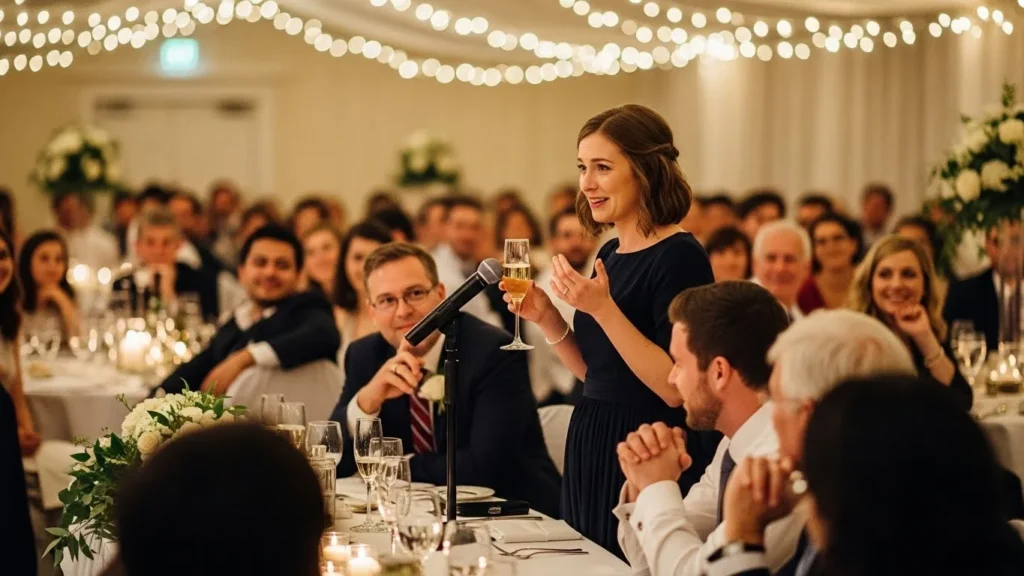
Your name gets announced. You stand up. The room goes quiet. Suddenly, your palms are sweaty and every word you practiced vanishes. 😬
If that sounds familiar, you’re not alone. Wedding speeches are emotional, public, and important—a perfect recipe for nerves. The good news? A meaningful, memorable speech doesn’t require you to be a poet or a professional speaker. It just needs heart, structure, and a little preparation.
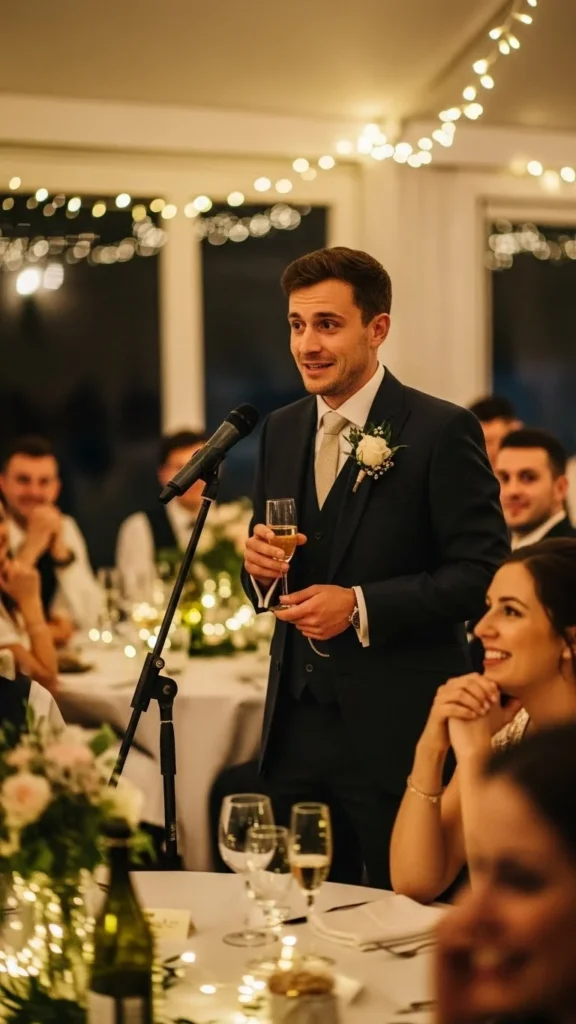
Let’s break this down step by step so you can write (and deliver) a wedding speech you’ll actually feel proud of.
Start With the Right Mindset (Not Perfection)
Before you write a single word, reset your expectations.
Your goal is connection, not perfection. Guests aren’t judging your grammar or delivery—they’re rooting for you. They want a glimpse of the couple through your eyes.
Keep these grounding thoughts in mind:
- You’re speaking to people, not performing for them
- Authentic beats polished every time
- Short and sincere is better than long and impressive
Once the pressure is off, the words come easier.
Choose One Clear Angle or Message
The biggest mistake? Trying to say everything.
Instead, pick one main idea you want guests to walk away with. Ask yourself:
- What does this couple teach me about love?
- What makes their relationship special to me?
- What do I admire most about them together?
That idea becomes your anchor. Every story, joke, or sentiment should point back to it.
Build a Simple, Foolproof Structure
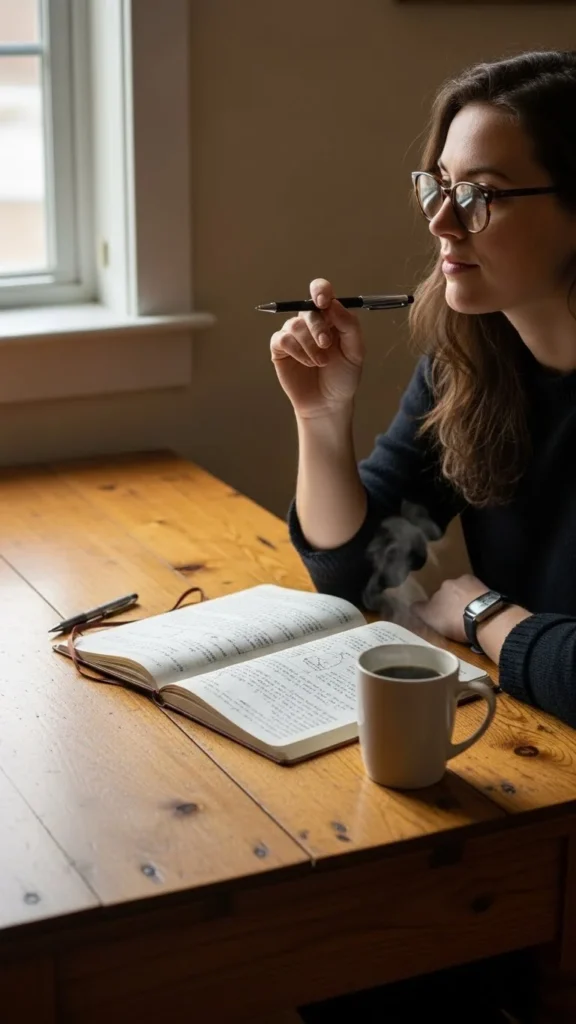
A clear structure is your secret weapon against freezing up. When nerves hit, your brain loves a roadmap.
Try this easy flow:
1. Opening (30–45 seconds)
- Thank the couple
- Introduce yourself
- Set a warm or lighthearted tone
2. Story or Memory (2–3 minutes)
- One meaningful or funny moment
- Keep it relevant and kind
- Focus on what it reveals about the couple
3. Reflection (1–2 minutes)
- What that story says about their relationship
- Why their love works
4. Toast (15–20 seconds)
- Look at the couple
- Raise your glass
- End with a clear, upbeat toast
That’s it. No rambling required.
Use Stories, Not Inside Jokes
Stories are what people remember—but only if everyone can follow along.
When choosing a story:
- Make sure it includes the couple (not just you)
- Skip anything embarrassing or overly private
- Add just enough context so guests aren’t lost
A good rule of thumb:
If you need to say, “You had to be there,” cut it.
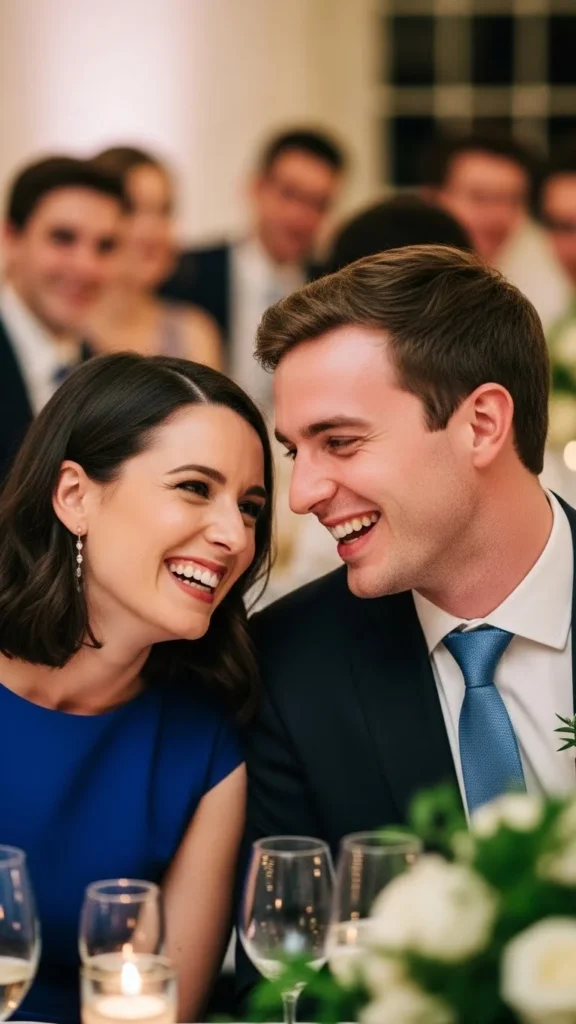
Write Like You Speak (Seriously)
Wedding speeches should sound like you, not a greeting card.
As you write:
- Use contractions (you’re, it’s, they’ve)
- Keep sentences short
- Read everything out loud
If a line feels awkward to say, it’ll feel awkward to hear.
Pro tip: Bullet your main points on a note card instead of memorizing every word. It keeps you natural and calm.
Practice Enough—but Not Too Much
Yes, practice matters. No, you don’t need to rehearse 100 times.
Aim for:
- 3–5 full read-throughs out loud
- One practice in front of a friend or mirror
- Timing yourself once (ideal length: 3–5 minutes)
The goal is familiarity, not memorization. You want to sound present, not robotic.
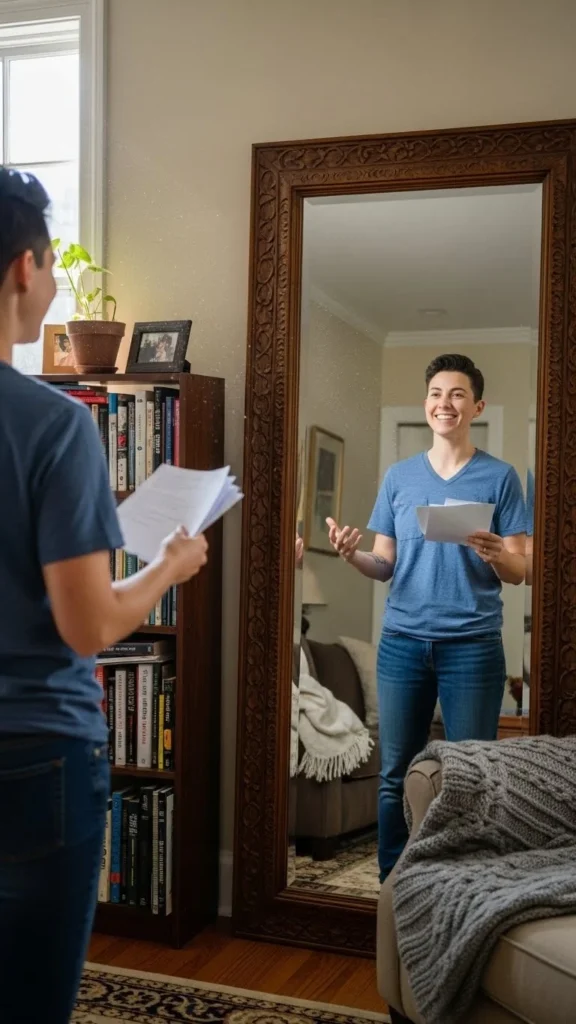
Manage Nerves in the Moment
Even with prep, nerves can still show up—and that’s okay.
Try these quick calmers:
- Take one slow breath before you start
- Plant both feet on the ground
- Pause if you need to (silence feels longer to you than the audience)
And remember: emotion isn’t a failure. A shaky voice or misty eyes just means you care.
End With a Toast That Feels True
Your final lines should be simple and sincere. No need for fireworks.
Examples:
- “To a lifetime of laughter, partnership, and love.”
- “Please raise a glass to [Name] and [Name].”
Look at them when you say it. That moment will mean more than any clever line.
Final Takeaway
A meaningful wedding speech isn’t about being fearless—it’s about being real. With a clear message, a simple structure, and a little practice, you can speak from the heart without freezing up.
Save this guide for later, and the next time you’re handed a microphone, you’ll be ready. 🥂