
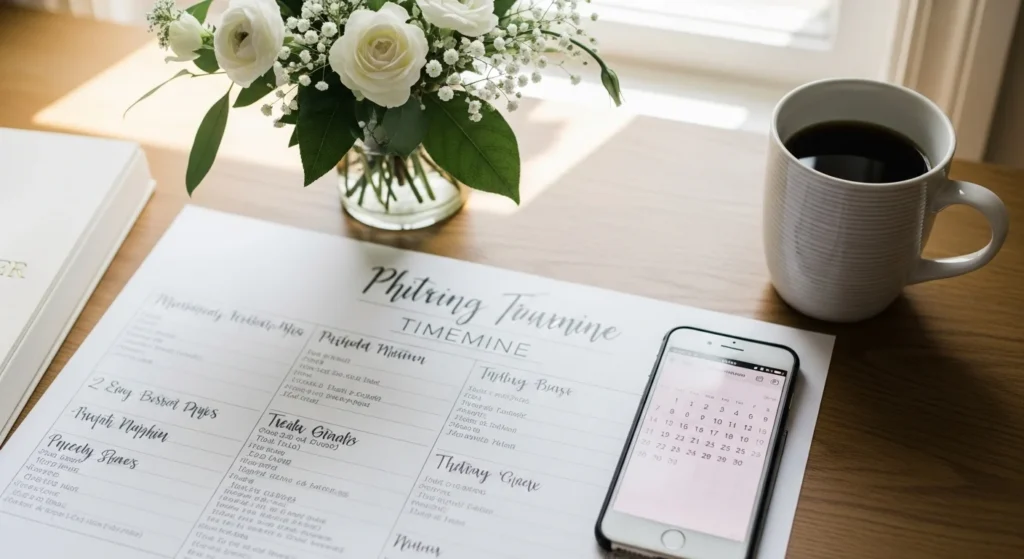
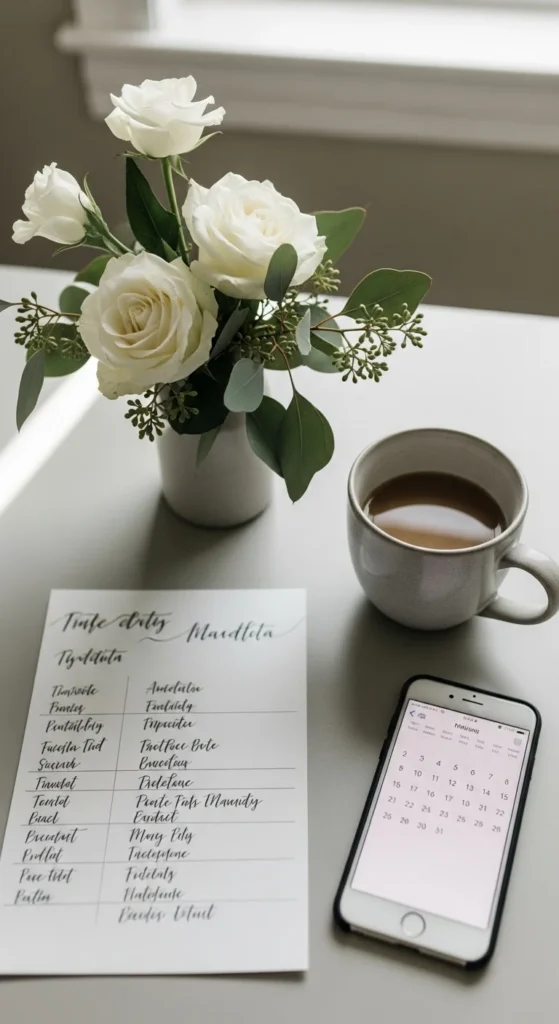
A smooth wedding day often comes down to timing. When events flow well, everyone stays relaxed and present. This guide breaks down realistic timeline tips that real couples use to avoid stress and overspending. Each idea focuses on pacing, communication, and simple planning habits that work even without a coordinator. A clear plan gives you more space to enjoy the day instead of chasing the clock.
1. Build Your Timeline Backward From the Ceremony

Start with the ceremony time and work backward. This keeps the day grounded around the one moment that can’t move. Block time for hair, makeup, getting dressed, photos, and travel. Add padding between each block. Even ten minutes helps. Print a simple timeline at home and tape it to the wall. If you’re doing DIY hair or makeup, time a practice run. That reveals real pacing fast. Ask your wedding party to arrive earlier than necessary. Early arrivals are easier than late ones. This backward method keeps pressure low and decisions simple.
2. Add Buffer Time Between Every Major Event
Weddings rarely stick perfectly to a schedule. Padding gives you breathing room when something runs long. Add five to fifteen minutes between key moments. This covers small delays like missing shoes or touch-ups. Buffer time costs nothing and protects your mood. If things finish early, enjoy the pause. Those quiet minutes often become favorite memories.
3. Decide on a First Look Early

A first look changes the entire flow of the day. Photos move earlier, which can free up cocktail hour. Skipping it means photos happen after the ceremony. Both work. Pick what feels right for you. Ask your photographer how long each option takes. Build the timeline around real numbers, not guesses. Share the decision with everyone involved to avoid confusion.
4. Schedule Hair and Makeup in Waves
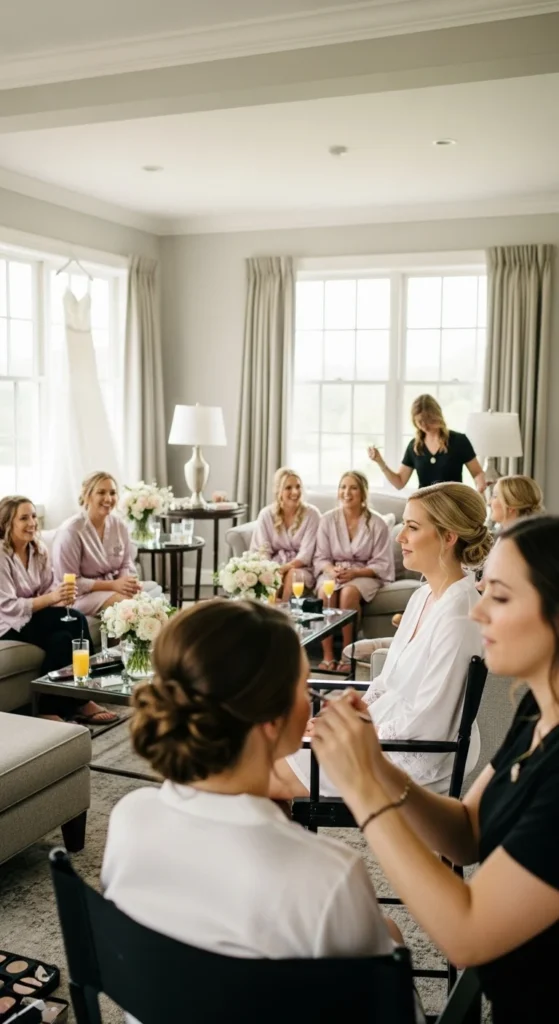
Avoid starting everyone at the same time. Break hair and makeup into waves so the people needed first go first. Others can arrive later. This keeps energy up and cuts waiting around. For DIY setups, assign time slots using sticky notes. Snacks, water, mirrors, and extension cords help everything move faster.
5. Block Time Just for Getting Dressed
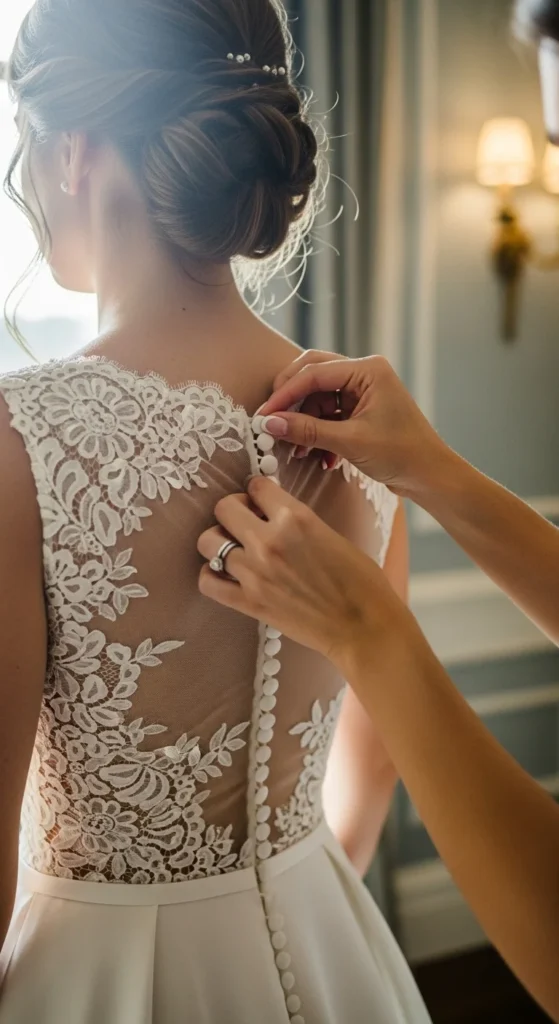
Getting dressed takes longer than expected. Buttons, ties, jewelry, and steaming all add up. Schedule this moment intentionally. Keep the room calm and limit helpers. Practice bustling or tying ties ahead of time. A simple garment steamer is cheaper than rentals and works well.
6. Share the Timeline With Everyone
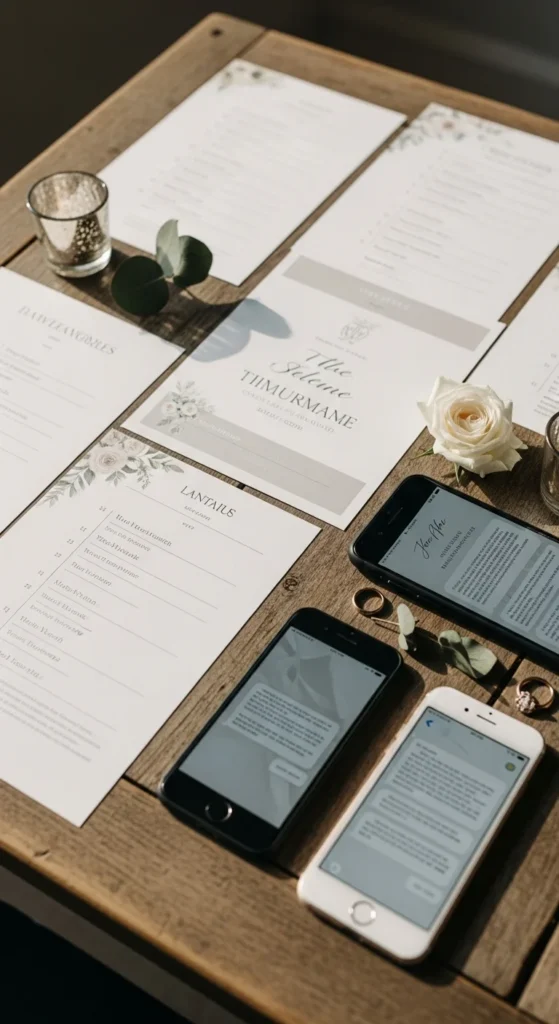
A timeline only works if people see it. Send it to your wedding party, vendors, and family helpers. Highlight arrival times clearly. Print a few copies for key locations. Clear communication cuts down on questions and stress.
7. Stagger Vendor Arrival Times
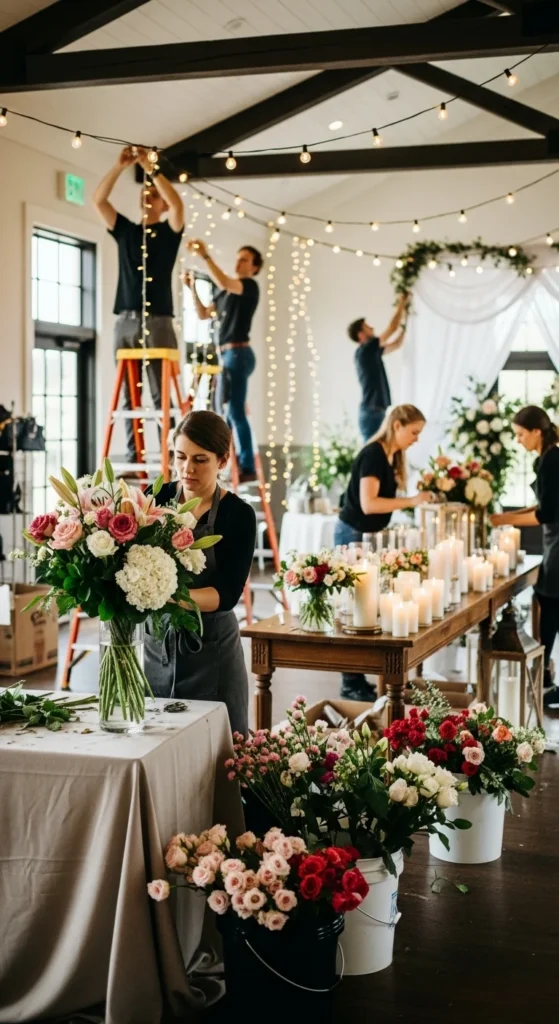
Not all vendors need to arrive at once. Ask each one how long setup takes. Stagger arrivals to avoid crowding. If friends are helping with décor, treat them the same way. Assign tasks and start times. Label boxes clearly to save effort.
8. Schedule Travel Time Realistically

Travel includes loading, parking, and walking. Add padding for all of it. If possible, limit the number of locations. Fewer moves mean fewer delays. Share addresses and parking notes with drivers ahead of time.
9. Pre-Plan Family Photos
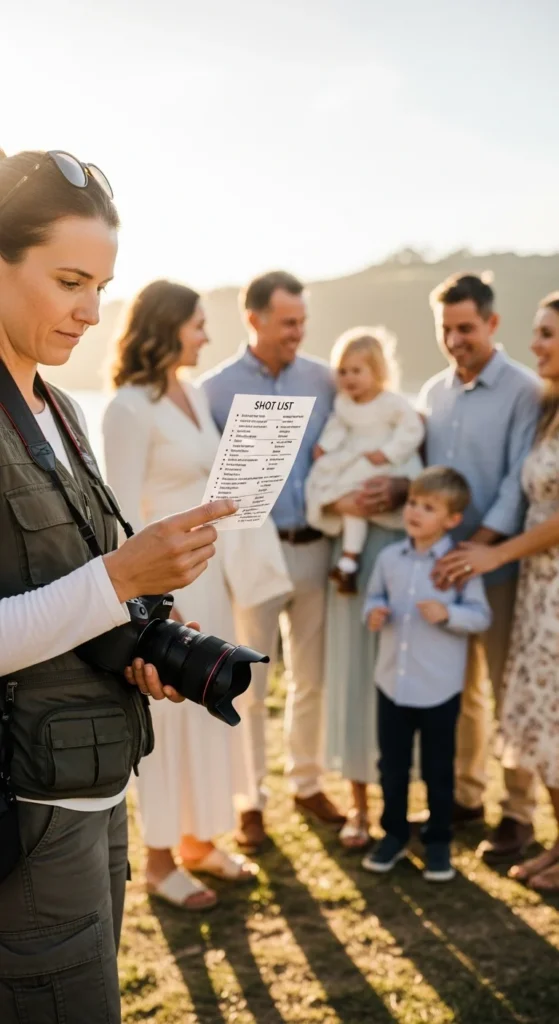
Create a short family photo list. Group similar people together. Assign one organized helper to gather people quickly. This saves time and keeps frustration low. Skip combinations you don’t truly want.
10. Schedule Private Couple Time

Build in ten minutes with just the two of you. No guests. No photos. This pause helps reset emotions and brings calm back into the day. Ask someone you trust to protect this time.
11. Plan a Flexible Cocktail Hour

Cocktail hour often stretches, and that’s fine. Plan it with breathing room. Simple bar menus move faster and cost less. Background music is enough. Keep the mood relaxed instead of packed with activities.
12. Avoid Overloading the Reception Schedule
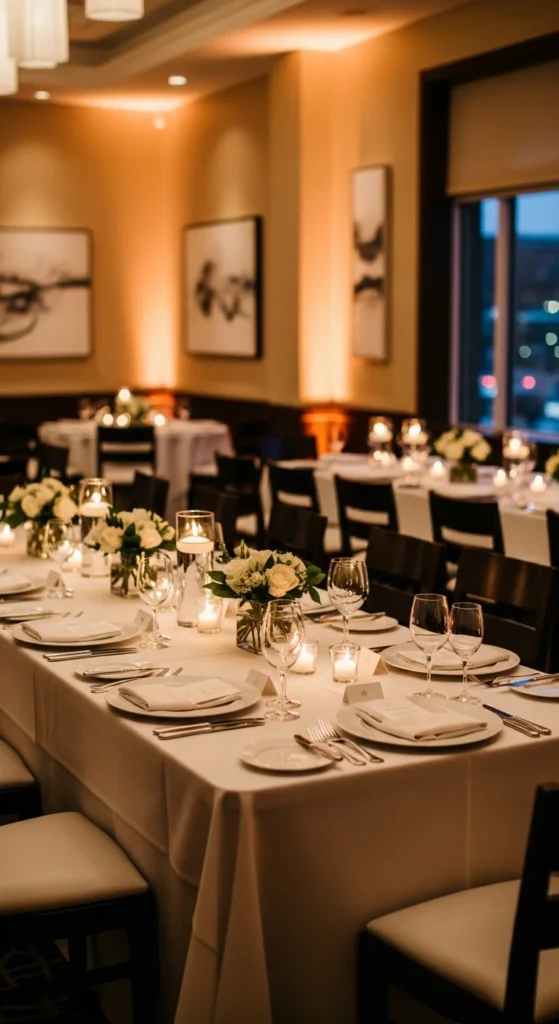
Receptions feel better when they aren’t overplanned. Focus on eating, toasts, and dancing. Space events out so guests aren’t constantly stopping and starting. A looser flow feels more fun.
13. Align Dinner Timing With the Caterer

Ask how long service actually takes. Buffets and plated meals move at different speeds. Smaller menus often move faster and cost less. Build the schedule around real service timing.
14. Keep Toasts Short and Assigned

Limit toasts to a few speakers. Set clear time limits. Let speakers know the order ahead of time. This keeps dinner moving and energy steady.
15. Plan Sunset Photos Intentionally
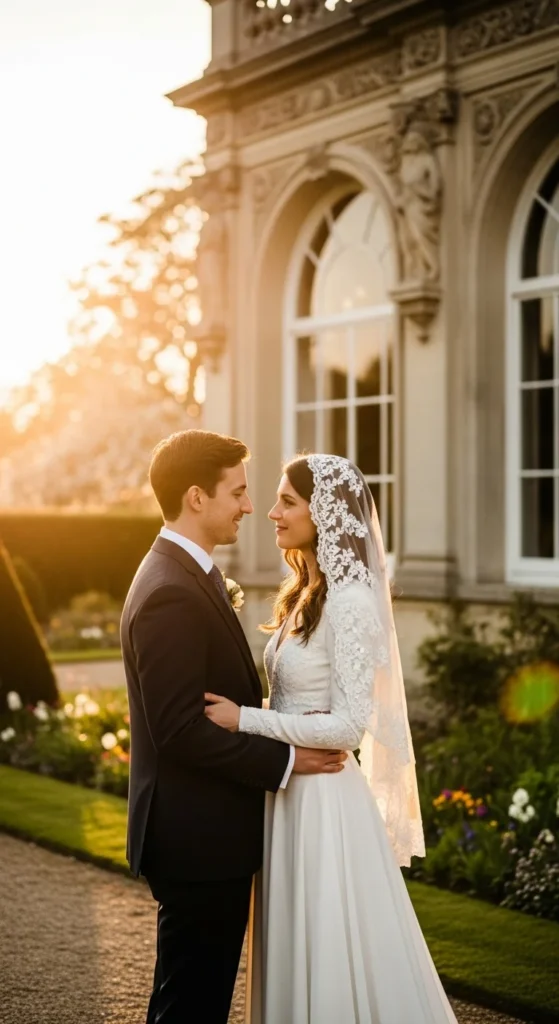
Ask your photographer when sunset happens. Schedule ten minutes for photos at that time. Assign someone to pull you away when needed. The light is worth it.
16. Set a Clear Dancing Start Time
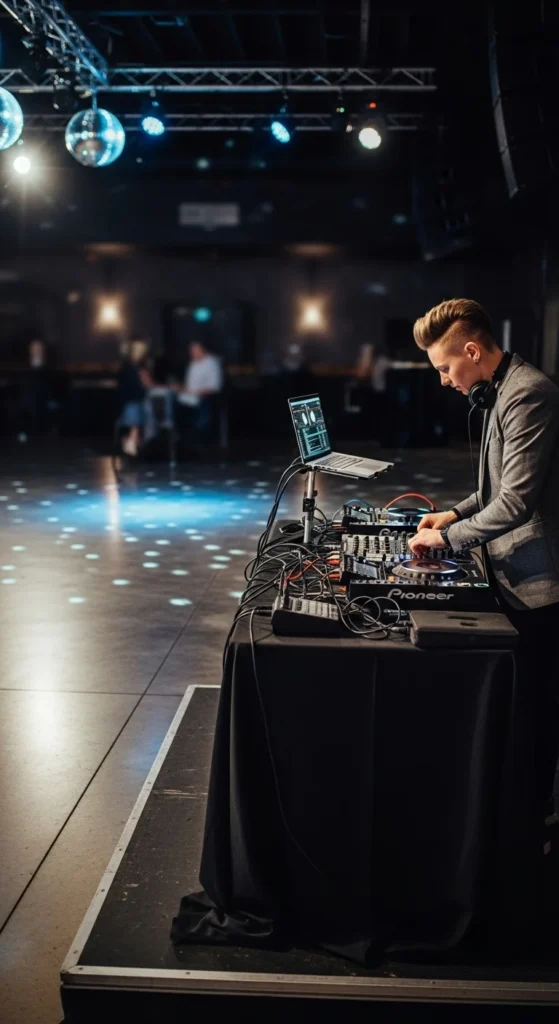
Once dancing starts, avoid interruptions. Short formal dances help guests join in sooner. More open dancing usually means a better party.
17. Assign One Timeline Keeper

Choose one person to watch the clock. This can be a coordinator or organized friend. They give gentle reminders so you don’t have to think about time.
18. Prepare the Exit Early
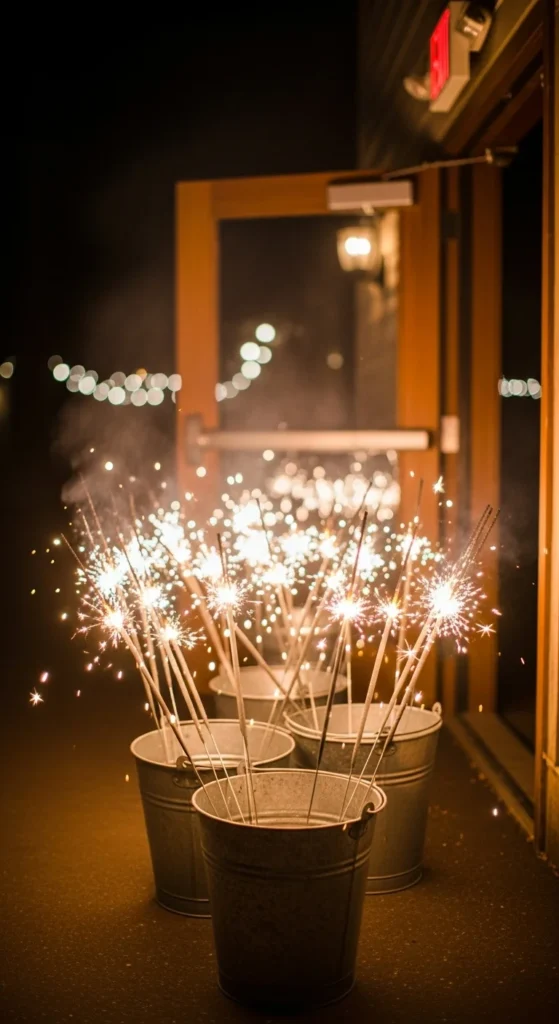
Set up exit items earlier in the day. Assign helpers. Simple exits look great and cost less. Planning ahead keeps the end of the night relaxed.
19. Block Cleanup Time
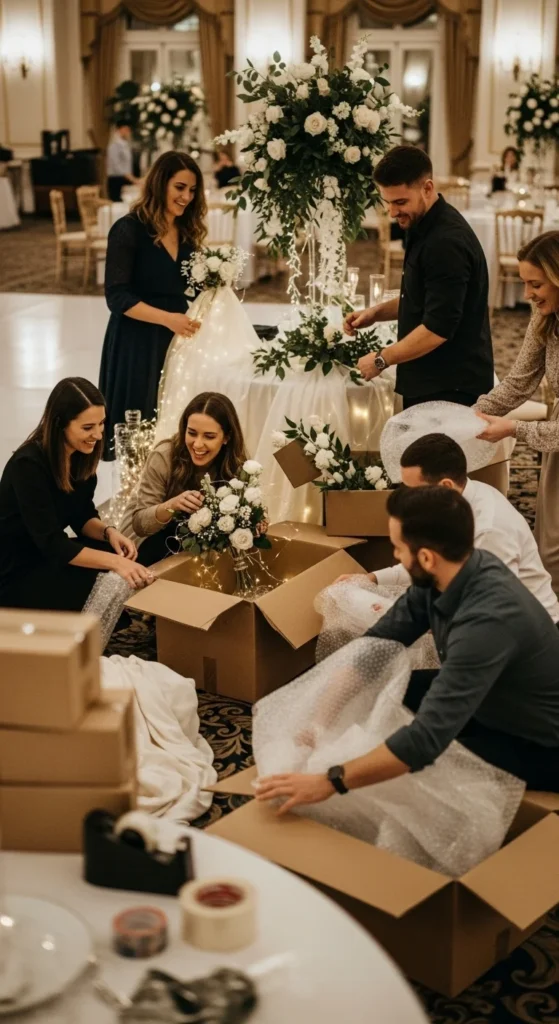
Cleanup takes time. Schedule it. Assign tasks. Label boxes clearly. DIY décor works best when it packs up easily.
20. Schedule Vendor Meals
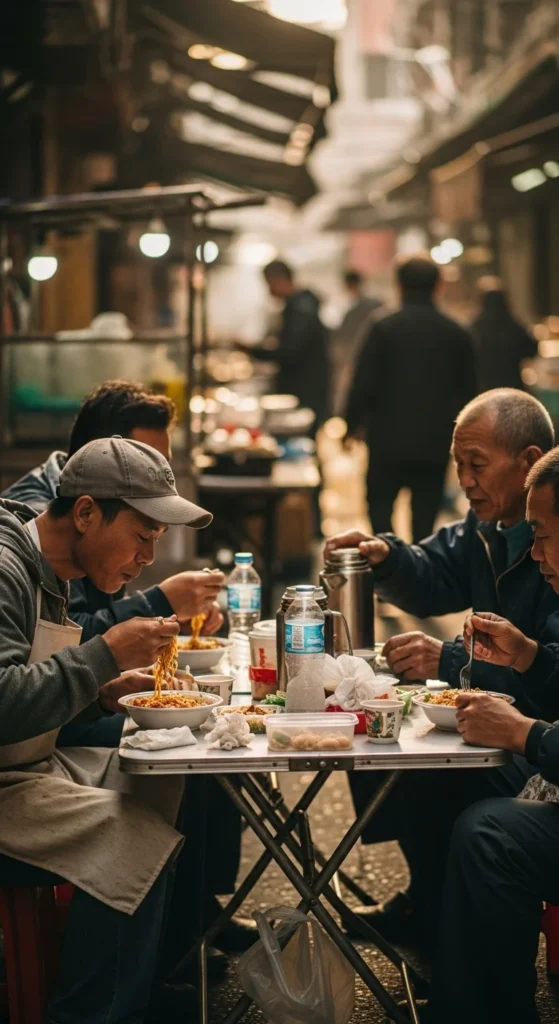
Plan when vendors will eat, usually during guest dinner. Simple meals work fine. Clear timing helps everyone stay on pace.
21. Create a Weather Backup Timeline
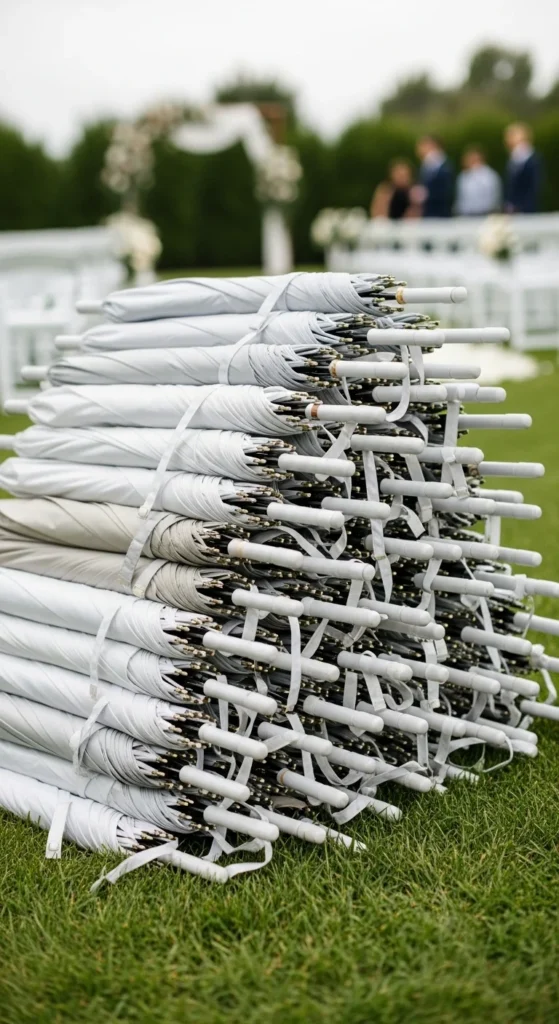
Weather can change plans fast. Have a backup timeline ready. Share it with key people so adjustments feel smooth instead of rushed.
22. Review the Timeline One Week Before

Read through the timeline a week out. Adjust tight spots. Share final updates. Then stop tweaking. Trust the plan.
23. Let the Day Flow Once It Starts
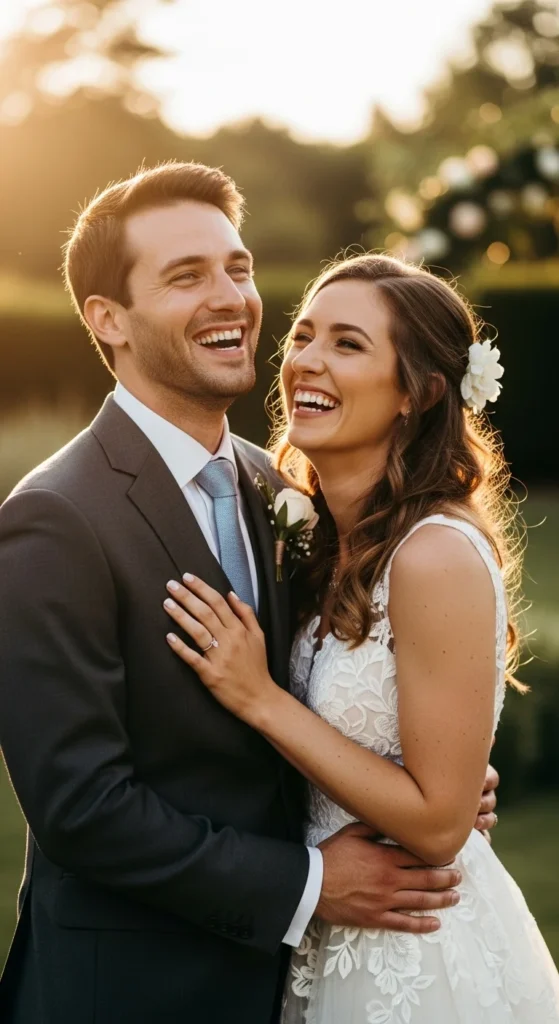
Once the day begins, release the clock. The timeline guides the day, not controls it. Small delays won’t matter. Being present will.
Conclusion
A thoughtful timeline creates breathing room, lowers stress, and keeps the day enjoyable from start to finish. These number-wise tips focus on simple actions that cost little and work well. Print your plan, share it clearly, and build in padding. Then let the day unfold and enjoy the moments you planned for.