
Planning a wedding is one of those magical, emotional, and financially overwhelming experiences. One minute you’re dreaming about floral arches and signature cocktails, and the next you’re spiraling because someone just quoted you $7,000 for chairs (okay… maybe not chairs, but close). The good news? Creating a realistic wedding budget doesn’t have to feel like a mystery.
Before we dive in, here’s a visual to set the mood:
Let’s break it down step-by-step so you can build a wedding budget that feels clear, doable, and aligned with what matters most to you.
Step 1: Set Your Total Budget (Without Guessing)
Your total wedding budget is the foundation of every decision you’ll make. Instead of picking a random number, build it based on real factors:
- How much you and your partner can comfortably contribute
- Any help from family
- Your current savings timeline
- Whether you want a big celebration or something more intimate
It’s helpful to think of your wedding budget like a pie chart—it works better when each slice has a purpose.

Step 2: Identify Your Top Three Priorities
Not all wedding elements are created equal. For some couples, it’s photography. For others, it’s a dreamy venue or gourmet food. Identify the three things you’re willing to spend more on—and three you’re okay spending less on.
Top-priority categories might include:
- Venue & catering
- Photography & videography
- Floral design
- Entertainment
- Bridal fashion
Once you know your priorities, the budget starts shaping itself.
Step 3: Break Down Your Budget by Category
This is where your budget becomes real. Allocate percentages based on typical wedding costs—but always adapt to your own preferences.
Here’s a general guideline many couples follow:
- Venue & Catering: 40–50%
- Photography & Videography: 10–12%
- Florals & Decor: 8–10%
- Attire & Beauty: 5–7%
- Entertainment: 5–7%
- Stationery: 2–3%
- Cake & Desserts: 2%
- Miscellaneous / Buffer: 5–10%
Remember—these percentages aren’t rules. They’re starting points.
Step 4: Get Real Quotes (Not Pinterest Dreams)
Pinterest inspiration is great… until you realize the floral arch you saved costs $4,000. This step is critical: reach out for actual price estimates.
Tips for gathering accurate quotes:
- Message at least 3–5 vendors per category
- Ask for full package details
- Request add-on pricing (lighting, overtime, upgraded florals)
- Compare what’s included versus what’s upsold
When you gather real numbers, you start to see what fits—and what doesn’t.
Step 5: Track Everything (This Is Where Most Couples Slip Up)
A wedding budget only works if you keep up with it. Make it easy on yourself:
Use:
- Google Sheets
- Notion
- A wedding budget app
- A physical planner
Track:
- Quotes
- Paid deposits
- Remaining balances
- Due dates
- Extras (delivery fees, service charges, gratuities)
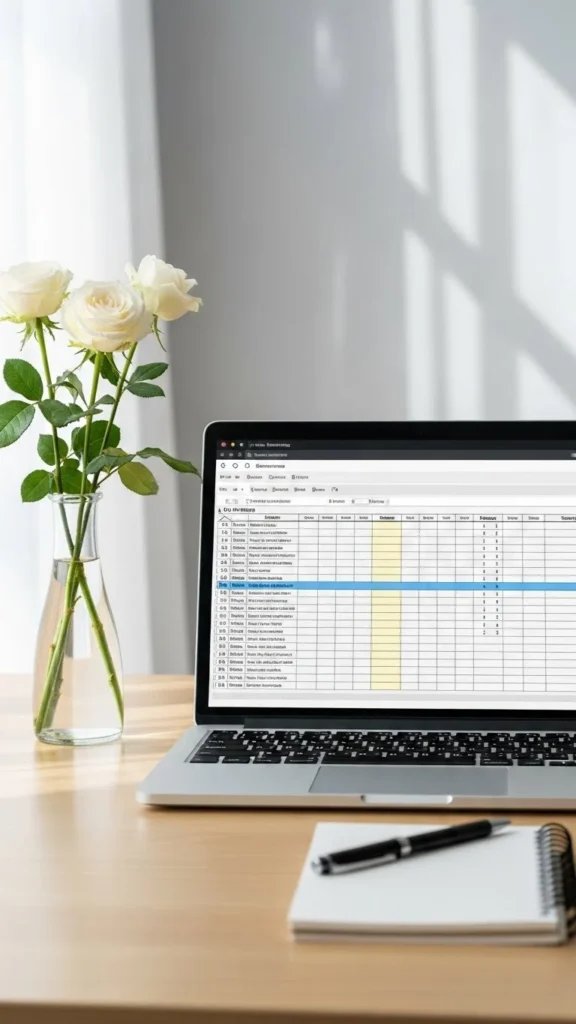
Even small add-ons can snowball if you’re not keeping track.
Step 6: Prepare for Hidden Costs (Because They Always Show Up)
Hidden wedding costs are everywhere. Make room for them from the start.
Common ones include:
- Dress alterations
- Extra floral pieces
- Vendor travel fees
- Gratuities
- Cake cutting fees
- Setup/takedown labor
- Overtime charges
A 5–10% buffer saves you from last-minute stress.
Step 7: Review & Adjust Monthly
Your wedding budget isn’t a one-time task—it’s a living document. Review it monthly with your partner:
Ask yourselves:
- Are we overspending anywhere?
- Can we cut something we don’t really need?
- Is there room to upgrade something that matters to us?
Small check-ins keep you on track and help avoid surprises later.
Final Thoughts: Your Budget Should Support Your Vision—Not Stress You Out
A wedding budget that actually works isn’t the one with the strictest rules—it’s the one that reflects your priorities, spending comfort level, and dream celebration. Take it one step at a time, and be honest about what truly matters.
If you found this helpful, save this guide for later and use it as you plan your big day! 💍✨