If there’s one wedding task that can turn even the calmest couple into overthinkers, it’s the seating chart. Suddenly you’re juggling family dynamics, friend groups, plus-ones, and the fear that someone might feel awkward or overlooked. Deep breath—you’re not alone, and it doesn’t have to be miserable.
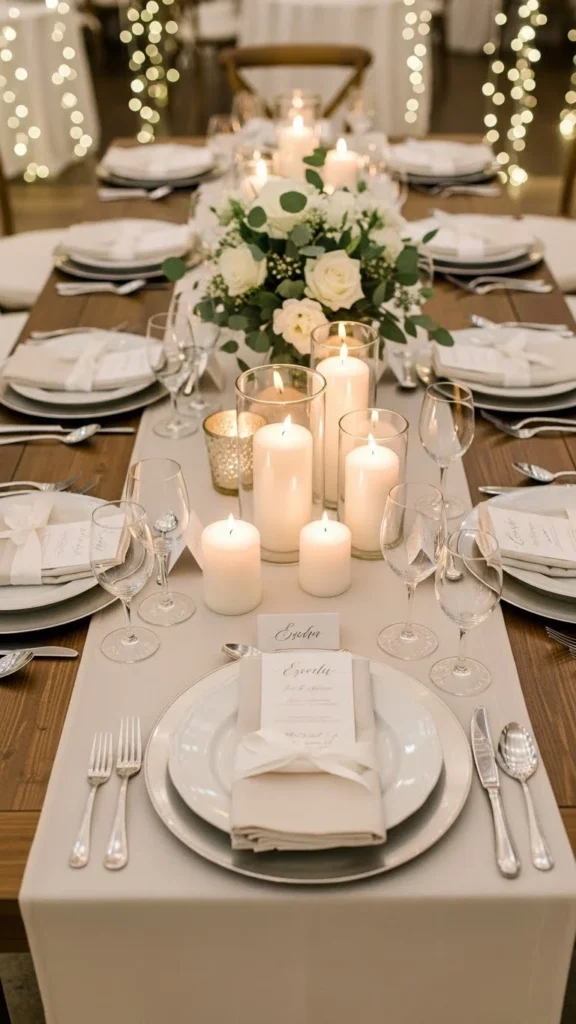
With the right approach (and a little strategy), you can create a seating chart that feels thoughtful, organized, and surprisingly stress-free. Let’s break it down step by step.
Start With Your Final Guest List
Before you even think about tables, you need a locked-in guest count. Seating charts should always be one of the last things you finalize.
Make sure you:
- Confirm RSVPs (including plus-ones)
- Note couples, families, and solo guests
- Flag any special needs (mobility, kids, elders)
This is your foundation. Once it’s solid, everything else becomes easier.
Pro tip: Don’t start assigning seats until RSVPs are officially closed—it only creates extra work.
Understand Your Venue and Table Layout
Your seating chart should work with the space, not against it. Take time to understand your venue’s layout before assigning anyone to a seat.
Things to clarify:
- Number and size of tables
- Round vs. rectangular tables
- Maximum guests per table
- Table placement (near dance floor, exits, or head table)
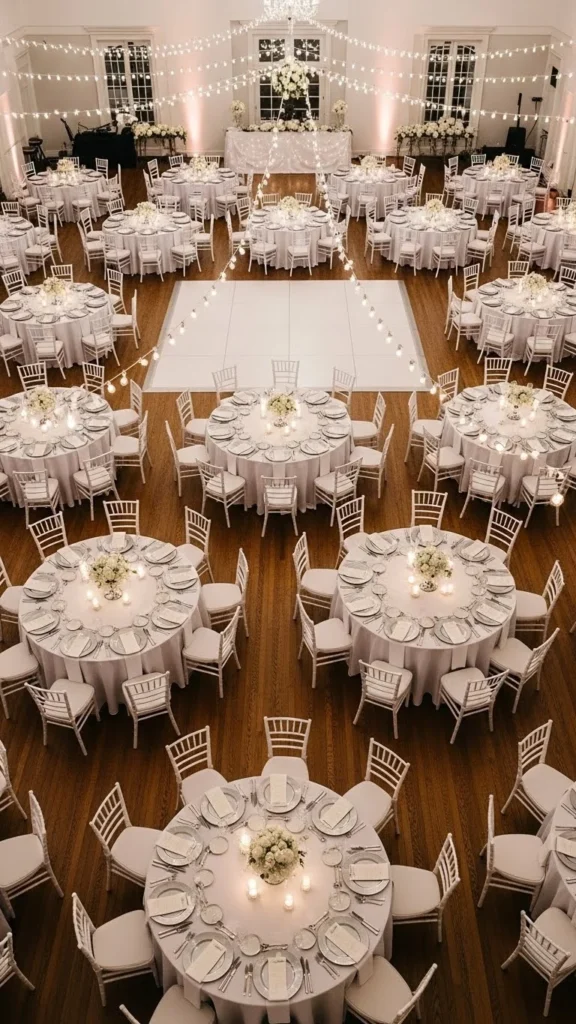
Sketching a simple floor plan—on paper or digitally—helps you visualize how guests will move and mingle.
Decide on a Seating Style That Fits Your Vibe
Not every wedding needs assigned seats and tables. Choose what feels right for your event.
Common options:
- Assigned tables: Guests choose their own seat (most relaxed)
- Assigned seats: Best for formal or plated dinners
- Sweetheart table: Just the couple, less pressure than a head table
- King’s table: One long table with the wedding party
If you want less stress, assigned tables (not seats) are usually the sweet spot.
Group Guests Thoughtfully (Not Perfectly)
This is where couples often get stuck—but it doesn’t have to be complicated.
Start by grouping:
- Immediate family
- Extended family
- Close friends
- Work friends
- Friend groups that already know each other

You’re not trying to create everyone’s best night ever—just a comfortable one.
Helpful mindset shifts:
- People don’t need to know everyone at the table
- One friendly face is usually enough
- Adults can handle small talk (promise)
Navigate Tricky Dynamics With Grace
Every wedding has a few sensitive situations. The key is handling them calmly and fairly.
Some common scenarios:
- Divorced parents → Separate tables, equal distance
- Family tension → Buffer with neutral guests
- Single guests → Seat with other singles or friendly couples
- Kids → One kids’ table or seat with parents, depending on ages
If something feels stressful, prioritize peace over perfection. You’re not solving lifelong conflicts—just planning dinner.
Balance Tables for Energy and Comfort
A well-balanced table feels natural and relaxed.
Aim for:
- Similar age ranges (when possible)
- A mix of personalities (not all quiet or all loud)
- Even numbers to avoid awkward pairings
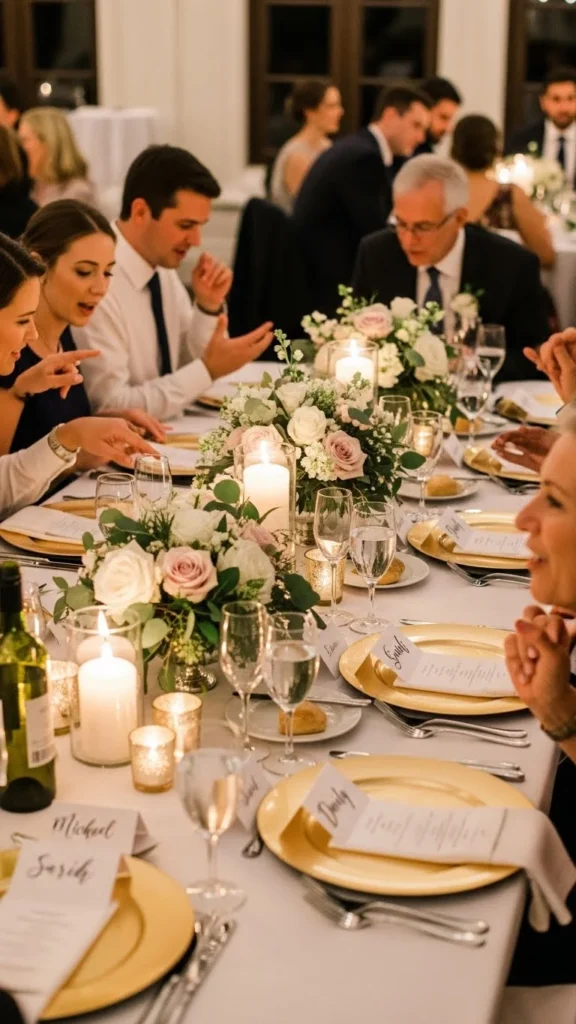
Avoid putting all “wild” guests together unless you want that table to steal the show.
Choose a Seating Chart Display That’s Easy to Read
Once your seating chart is done, presentation matters. Guests should find their names quickly without crowding.
Popular display ideas:
- Alphabetized escort cards
- Printed seating chart by table number
- Individual name cards on a mirror or board
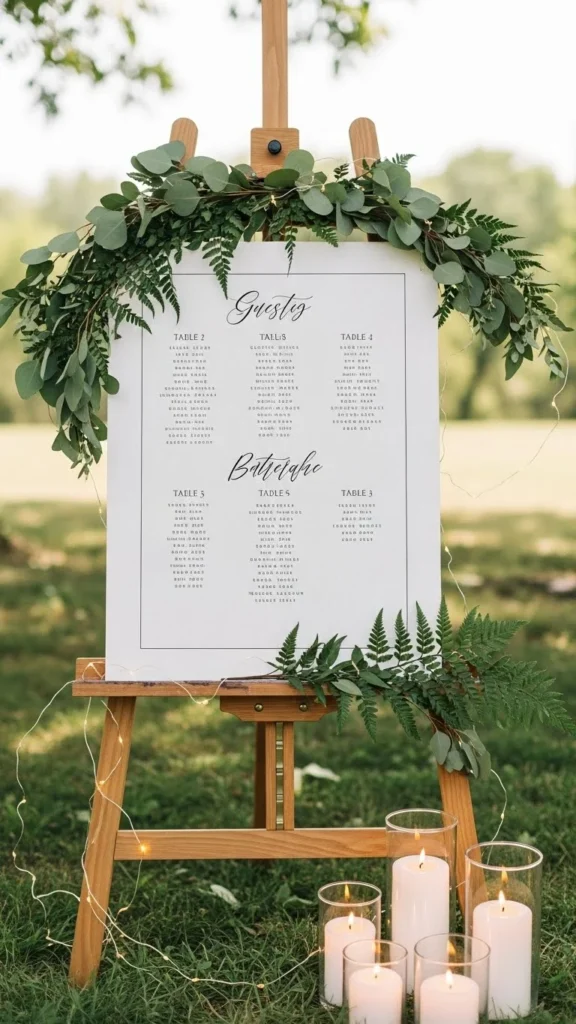
Design tips:
- Alphabetize by last name
- Use clear, legible fonts
- Leave space between names
- Place it near the reception entrance
Double-Check Everything (Then Let It Go)
Before printing or finalizing:
- Confirm spelling of names
- Recount seats at each table
- Check accessibility needs
- Have one trusted person review it
Once it’s done—release it. Guests are there to celebrate you, not judge your seating decisions.
Final Takeaway: Done Is Better Than Perfect
A stress-free seating chart isn’t about pleasing everyone—it’s about creating a welcoming space where guests feel comfortable and cared for.
Be thoughtful, trust your instincts, and remember: once dinner starts, laughter and celebration take over.
✨ Save this guide for later and give yourself permission to stop overthinking the seating chart—you’ve got this.