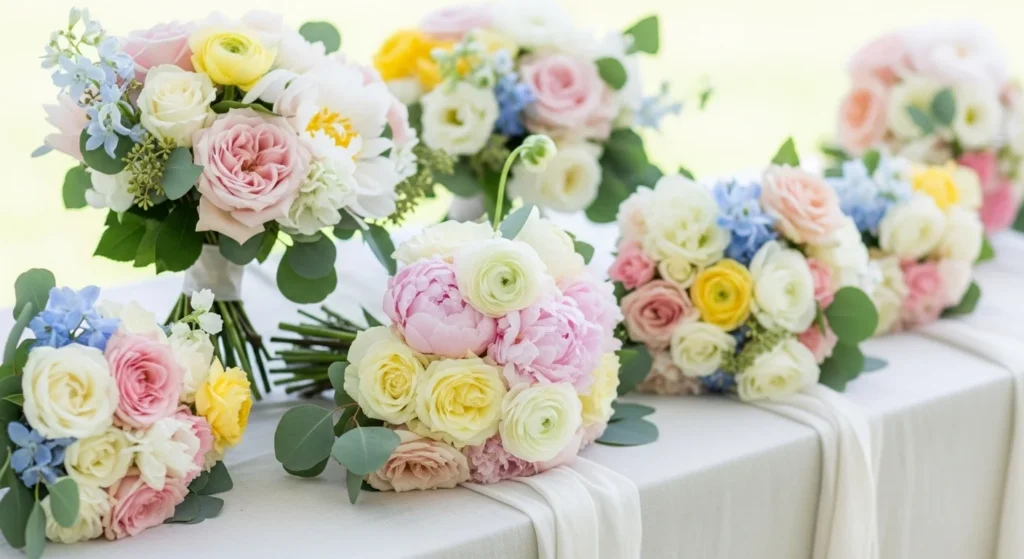
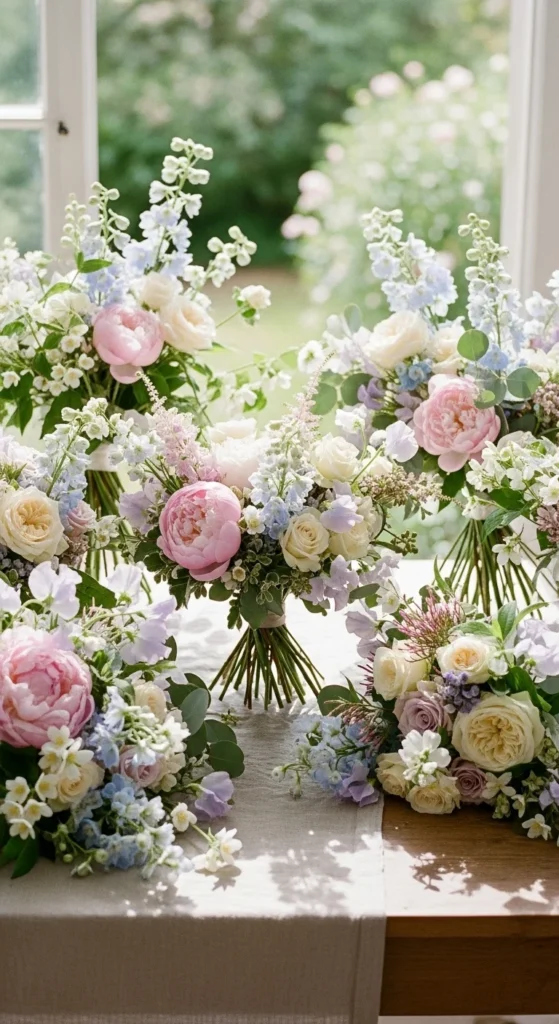
Spring weddings call for flowers that feel graceful without feeling dated. Many couples want bouquets that age well in photos and don’t feel tied to a single trend. This guide focuses on classic spring blooms, simple shapes, and realistic choices that work across budgets. Each bouquet idea is practical, easy to adapt, and friendly for DIY or small floral orders. Whether you’re planning months ahead or working with what’s available locally, these ideas help you choose flowers that feel calm, thoughtful, and beautifully suited for spring celebrations.
1. Soft Tulip Hand-Tied Bouquet
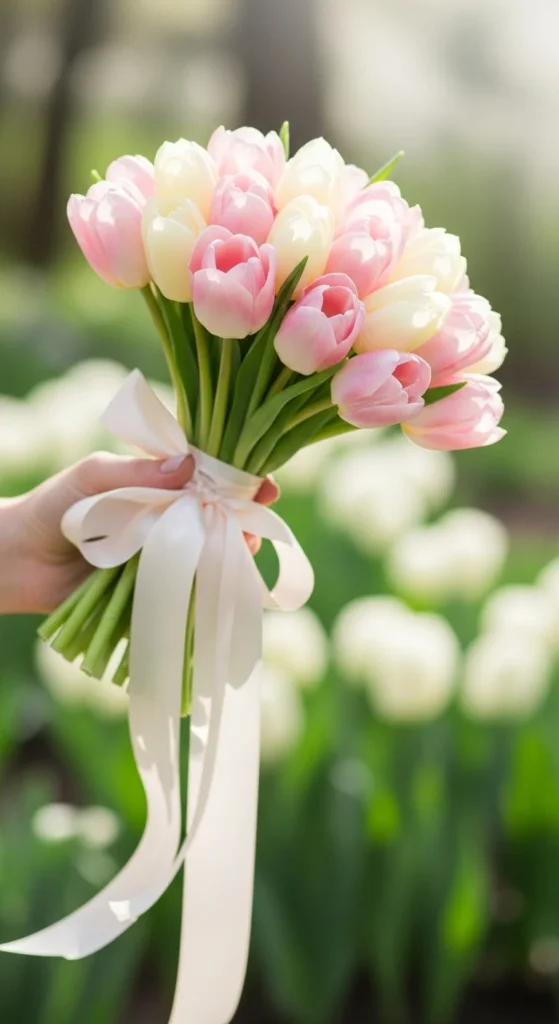
Tulips are simple, seasonal, and widely available in spring. Their clean shape works well for brides who want a calm, unfussy look. Stick to one or two colors to keep the bouquet cohesive. White, blush, or pale peach age well in photos.
Tulips are affordable when bought in bulk from grocery stores or flower markets. For DIY, trim stems the night before and store them upright in water. They continue to grow slightly, which adds a natural movement to the bouquet.
Wrap stems with ribbon or twine instead of floral tape for a softer finish. If tulips feel too minimal alone, mix in a few stems of wax flower for texture without raising the cost.
This bouquet works well for courthouse weddings, backyard ceremonies, or casual garden venues. It also pairs nicely with simple dresses and understated accessories.
2. Lily of the Valley Posy
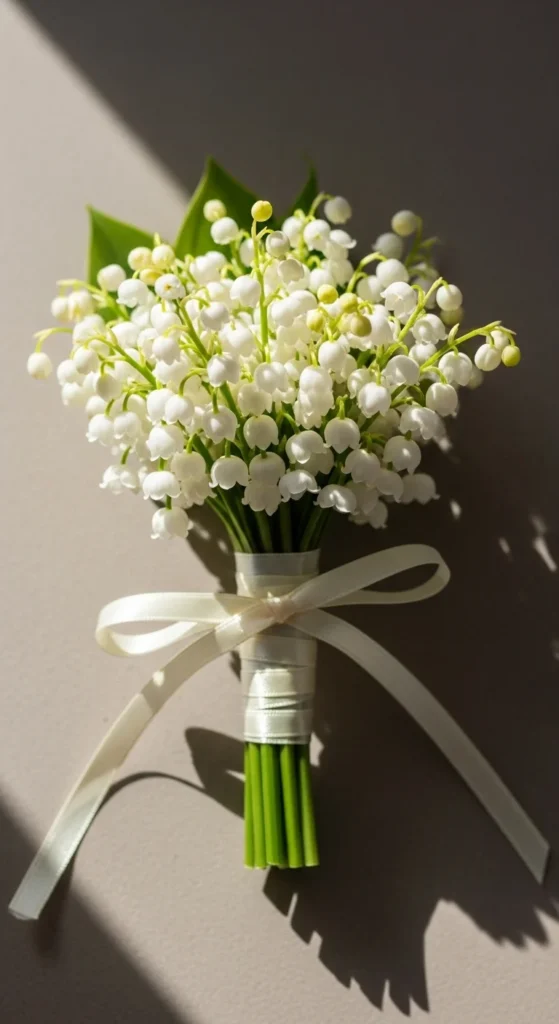
Lily of the valley has long been linked to spring weddings. The tiny bell-shaped flowers feel gentle and romantic. A small posy keeps the look intentional rather than overwhelming.
These blooms can be pricey, so keep the bouquet compact. Even a handful of stems makes an impact. Many florists offer them seasonally, which helps with sourcing.
For budget balance, pair a lily of the valley bouquet with simpler bridesmaid florals. This keeps focus on the bride without overspending.
Because stems are delicate, ask your florist to handle conditioning. If doing DIY, keep them cool and hydrated. A satin ribbon wrap completes the look without distraction.
3. Peony-Centered Classic Bouquet
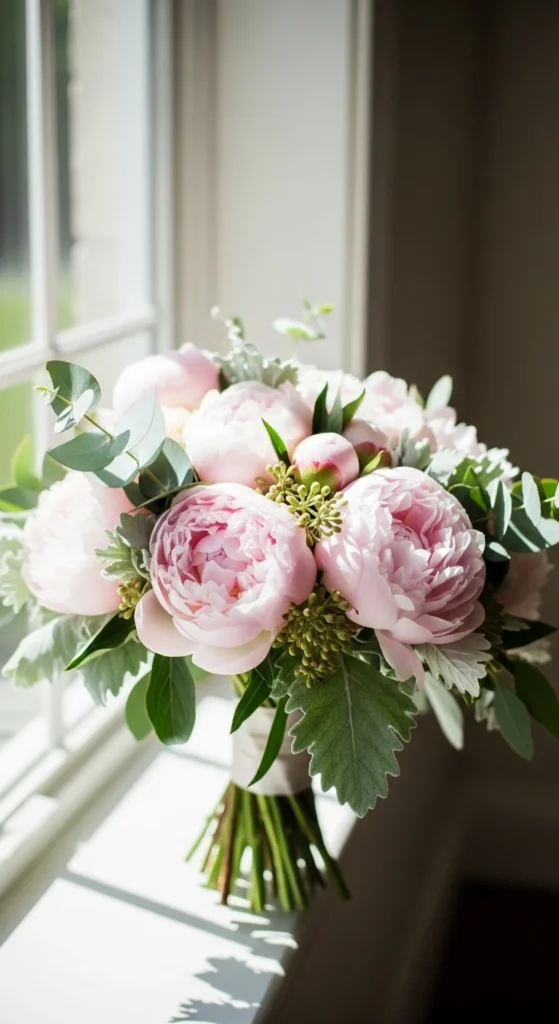
Peonies are a spring favorite for a reason. Their full blooms feel romantic without extra filler. Choose one color and let the flowers speak for themselves.
Peony season is short, so check bloom timing carefully. If availability is limited, ask your florist about garden roses as a backup with a similar look.
To save money, use peonies only in the bridal bouquet. Keep other florals simpler. A loose hand-tied style prevents the bouquet from looking stiff.
DIY tip: buy peonies just before they open. Store them cool so they bloom closer to the ceremony. This approach saves money and avoids overblown flowers.
4. Ranunculus and Eucalyptus Mix
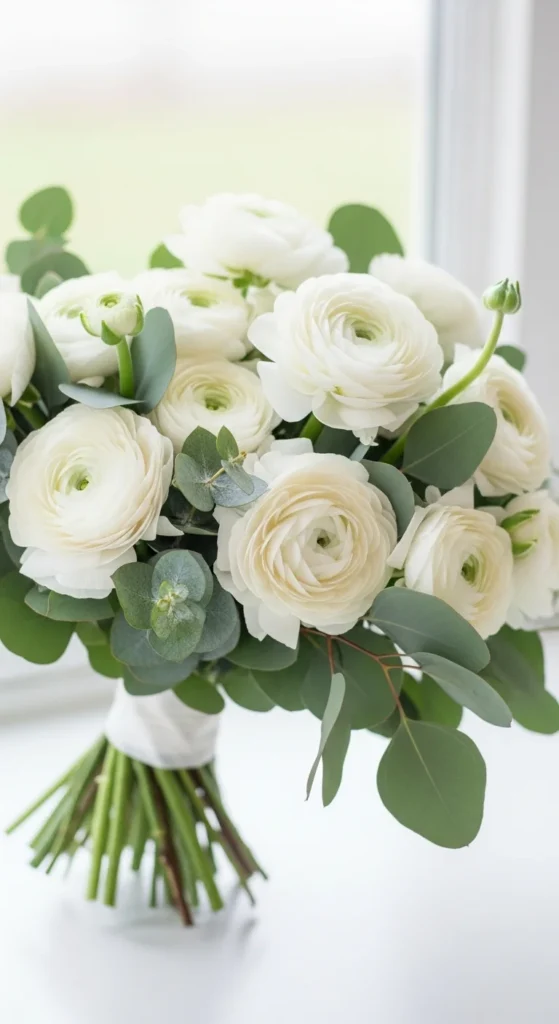
Ranunculus has layered petals that photograph beautifully. Paired with eucalyptus, the bouquet feels relaxed and modern without chasing trends.
These flowers are usually budget-friendly in spring. Buy them in bunches and keep the mix simple. Too many varieties can raise costs fast.
For DIY, strip extra leaves from stems and group flowers loosely. Let some greenery drape slightly for movement. Secure with floral tape, then cover with ribbon.
This bouquet suits outdoor ceremonies, barn venues, and minimalist gowns. It also works well for bridesmaids if you want a cohesive look.
5. All-White Spring Bouquet
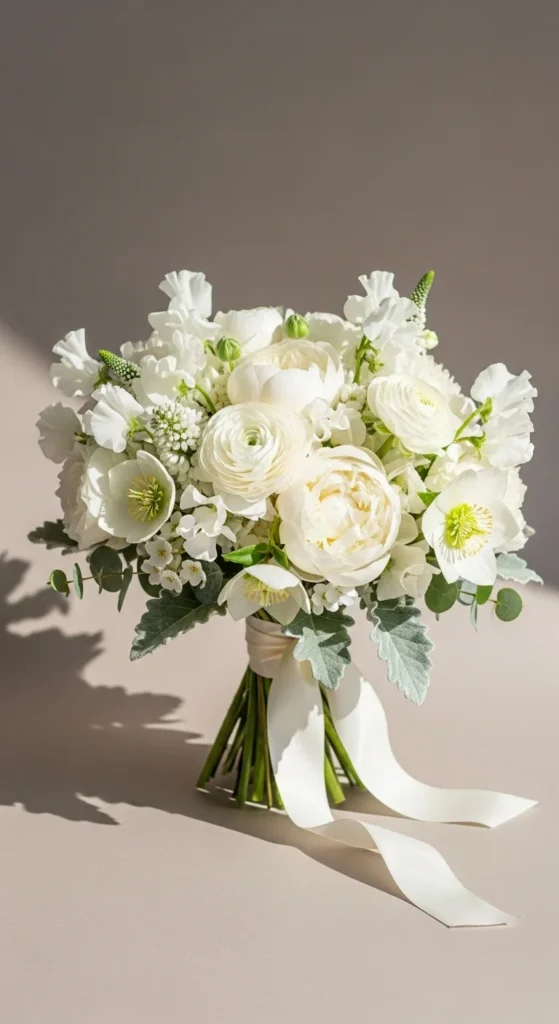
An all-white bouquet never feels dated. Use seasonal blooms like tulips, ranunculus, or anemones to keep costs manageable.
Texture matters here. Mix petal shapes rather than colors. This adds depth without visual clutter.
For budget planning, ask your florist to work with what’s available that week. White flowers are common, which helps with pricing.
DIY option: combine grocery store flowers with online bulk orders. Keep stems long for a relaxed look. White ribbon or raw silk completes the bouquet cleanly.
6. Anemone Statement Bouquet
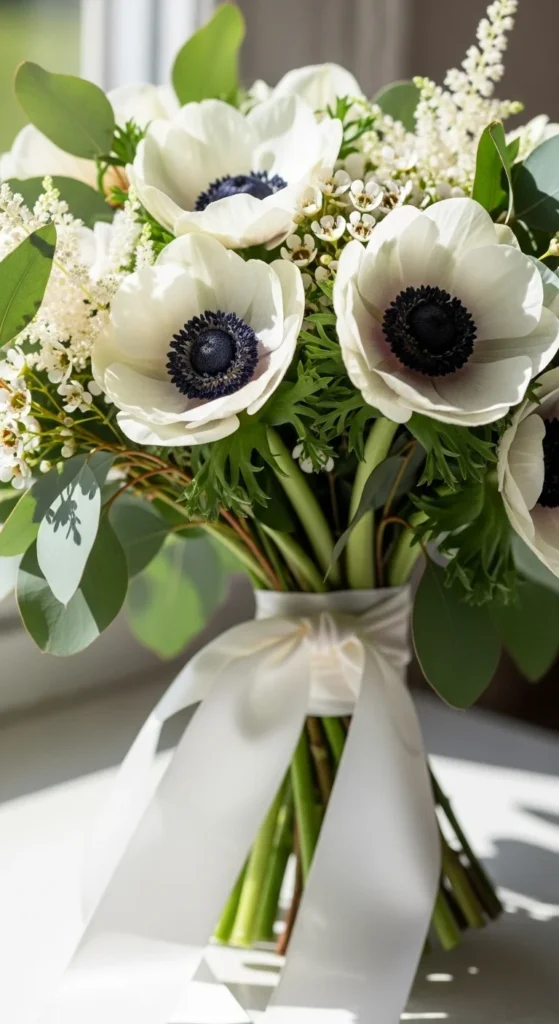
Anemones bring contrast with their dark centers. They feel graphic yet classic. A bouquet focused on anemones works best with minimal greenery.
These flowers are affordable in season. Keep the bouquet medium-sized to avoid overpowering the look.
DIY tip: anemones have soft stems, so support them with firmer flowers like tulips if needed. Store them cool to prevent drooping.
This style suits modern dresses and city venues while still fitting spring ceremonies.
7. Garden Rose Hand Bundle
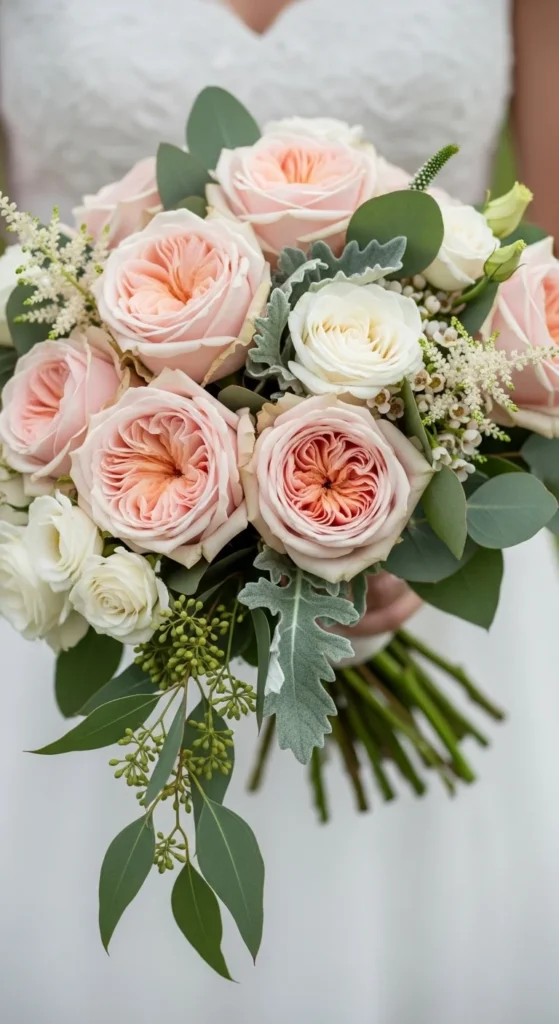
Garden roses offer a romantic feel without heavy structure. Choose a single shade for a calm look.
They can be pricier than standard roses, so limit the stem count. Even 10–12 roses make a full bundle.
For DIY, remove outer guard petals for a cleaner shape. Wrap with fabric from a craft store instead of specialty ribbon.
This bouquet works well for formal and casual weddings alike.
8. Sweet Pea Cascade
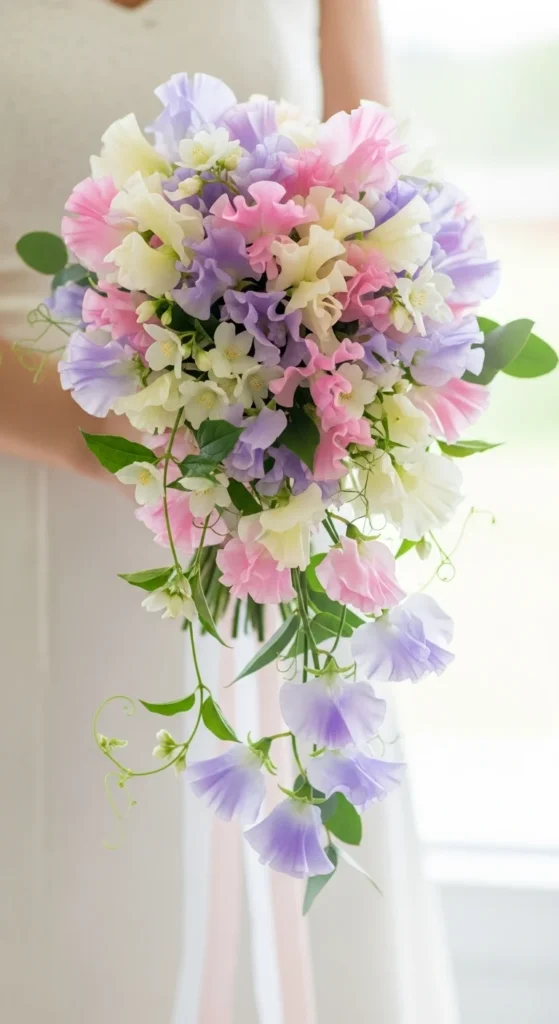
Sweet peas feel light and seasonal. Their scent adds another layer without extra cost.
They are delicate, so keep the bouquet small. A gentle cascade feels intentional rather than messy.
Buy extra stems for breakage. Store them upright and cool. Pair with minimal greenery.
This bouquet suits vintage-inspired dresses and outdoor ceremonies.
9. Daffodil Spring Bouquet
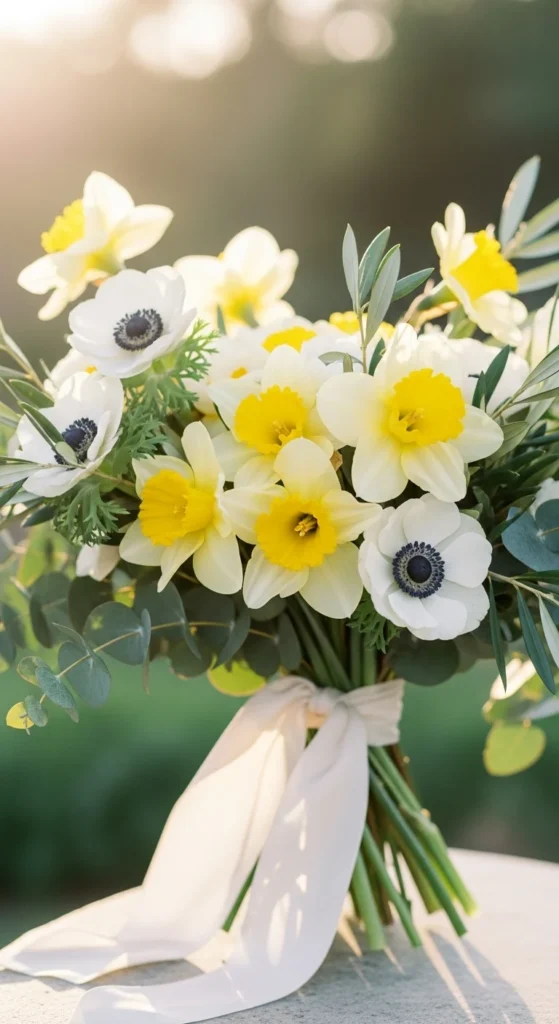
Daffodils symbolize spring and are very affordable. Choose softer yellow shades for a wedding look.
Use them alone or mixed with white blooms. Keep the shape loose to avoid stiffness.
DIY-friendly and easy to source locally. Great for daytime weddings and casual venues.
10. Hyacinth Scented Posy
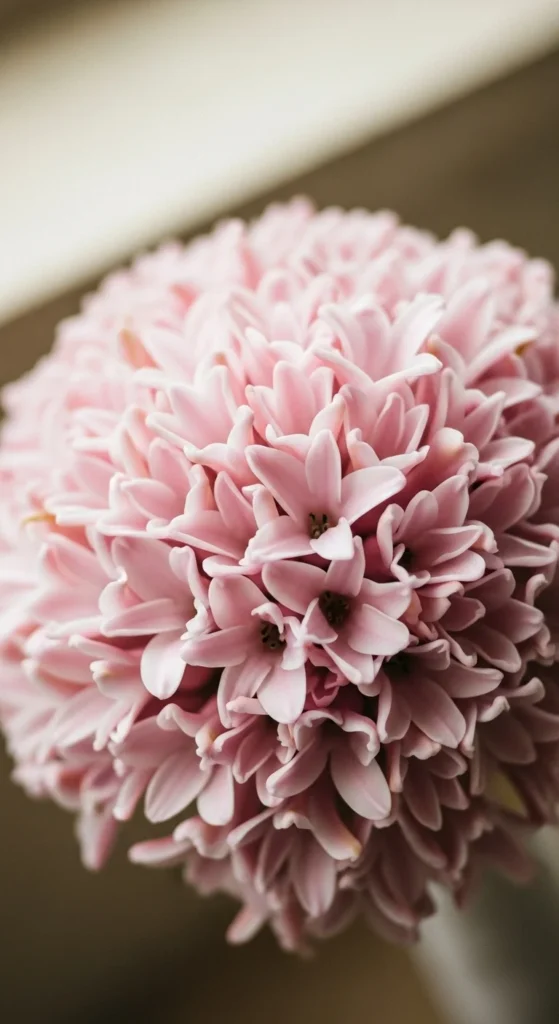
Hyacinths bring scent and texture. A small posy prevents them from feeling heavy.
They’re affordable in season. Keep stems short and tightly gathered.
Perfect for courthouse or intimate ceremonies.
11. Stock Flower Romantic Bundle
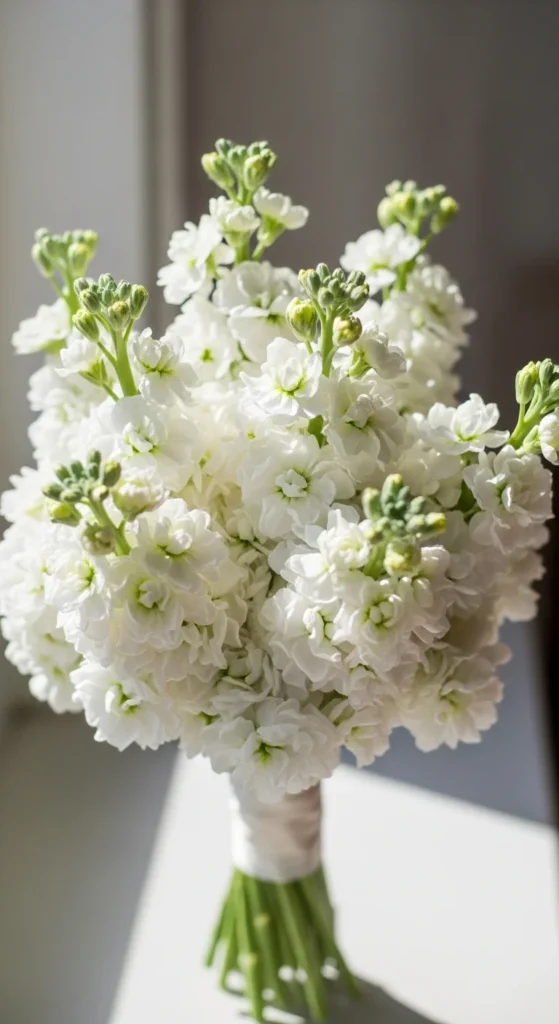
Stock flowers are budget-friendly and fragrant. Their vertical shape works well in hand-tied bundles.
Use one color to keep costs low. Remove extra leaves for a clean finish.
Great for DIY and spring availability.
12. Freesia Minimal Bouquet
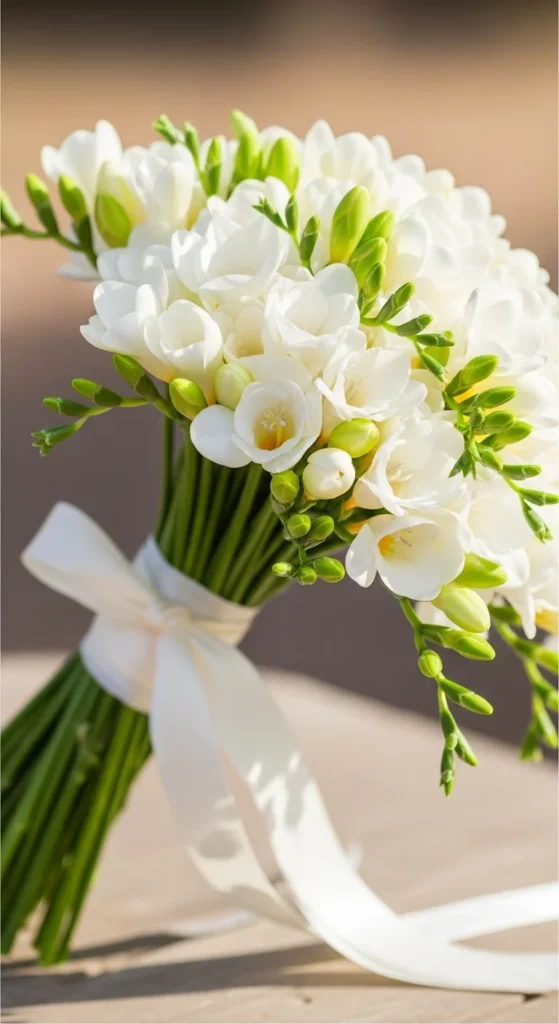
Freesia offers scent and elegance. A small bundle feels intentional.
They’re affordable and easy to work with. Keep ribbon simple.
Ideal for simple dresses and small venues.
13. Mixed Pastel Market Flowers
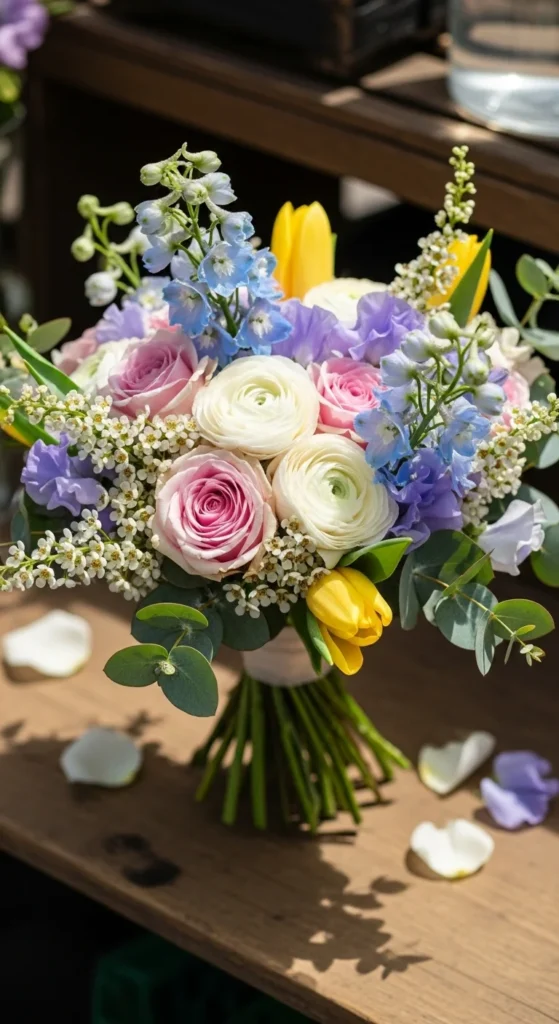
Local flower markets offer seasonal savings. Stick to a soft color range.
Avoid overmixing. Choose three flower types max.
DIY-friendly and flexible.
14. All-Greenery Bouquet
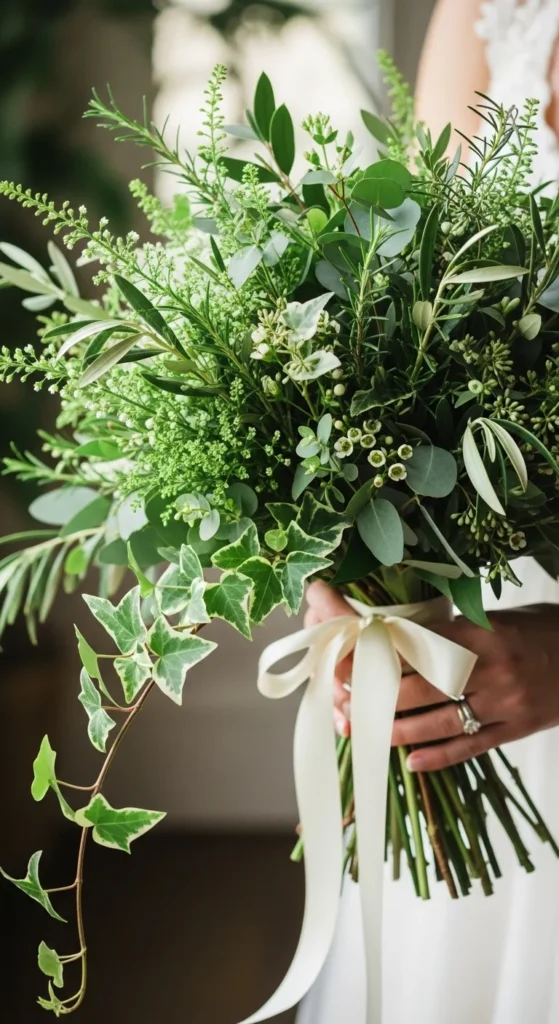
Greenery-only bouquets save money and feel calm. Use eucalyptus, olive, or ferns.
Add texture through leaf variety. Wrap stems simply.
Great for modern or minimalist weddings.
15. Lavender Spring Bundle
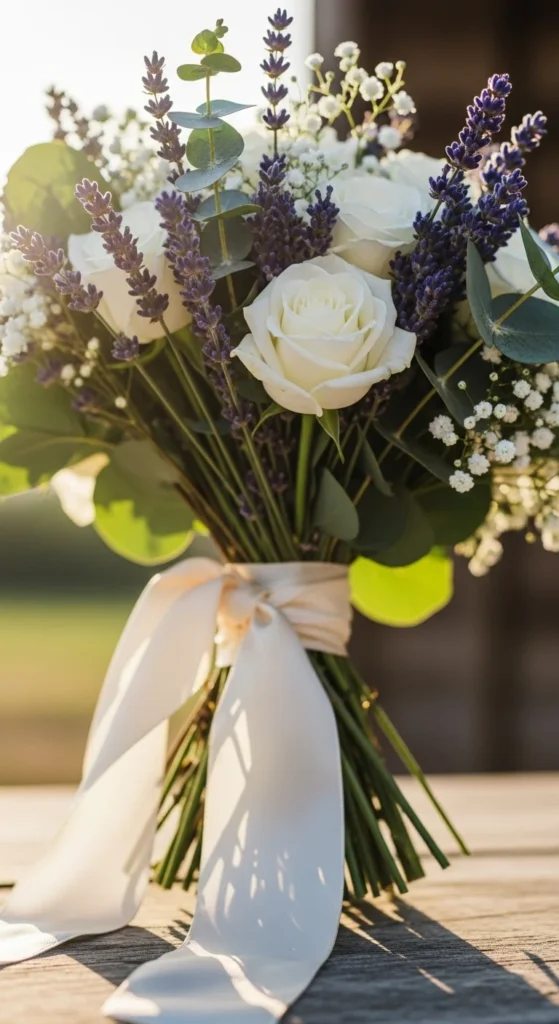
Lavender adds scent and texture. Mix with white flowers if desired.
Affordable and easy to dry as a keepsake.
Perfect for outdoor ceremonies.
16. Mini Bouquet for Elopements
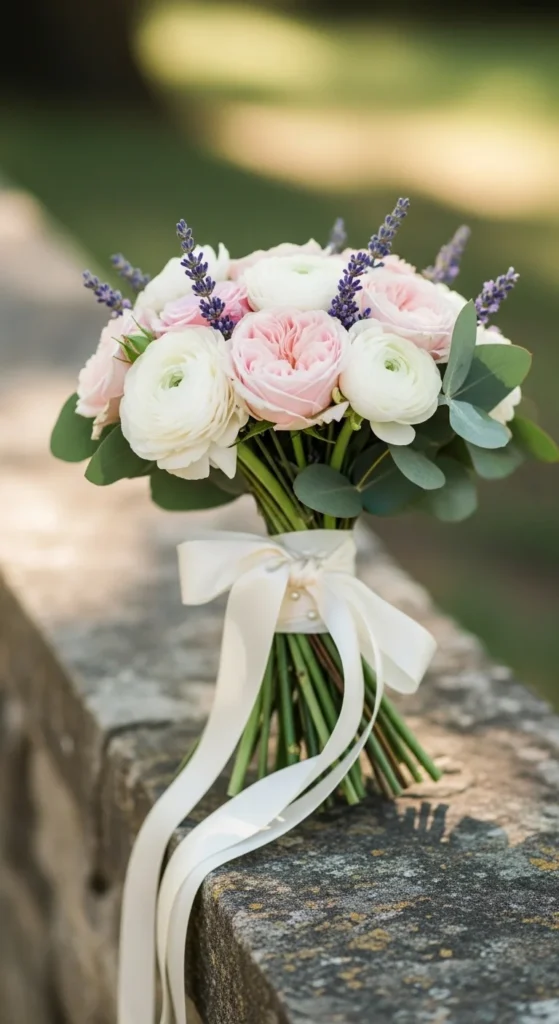
Smaller bouquets cost less and travel well. Focus on one or two blooms.
Ideal for destination weddings.
17. Wildflower-Inspired Bouquet
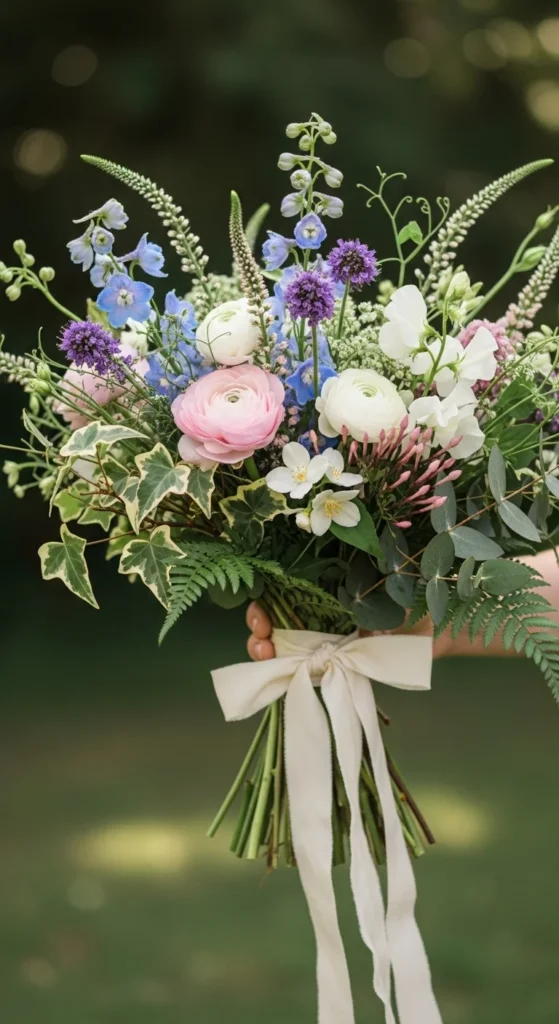
Use seasonal stems with varied heights. Keep colors soft.
Buy from local growers when possible.
Great for relaxed settings.
18. Classic Rose and Baby’s Breath
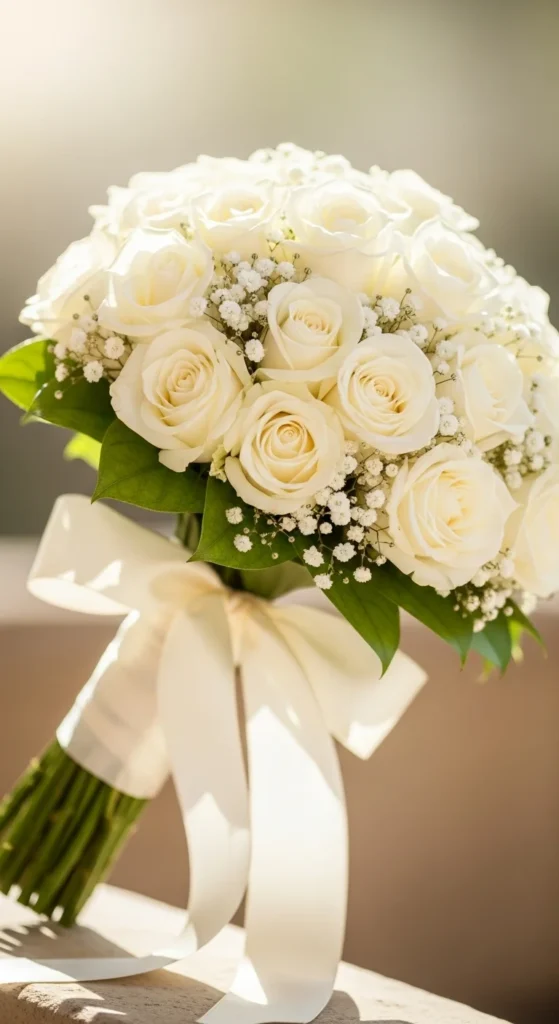
This pairing is timeless and budget-friendly. Keep it loose.
Easy to DIY and widely available.
19. Pale Yellow Spring Bouquet
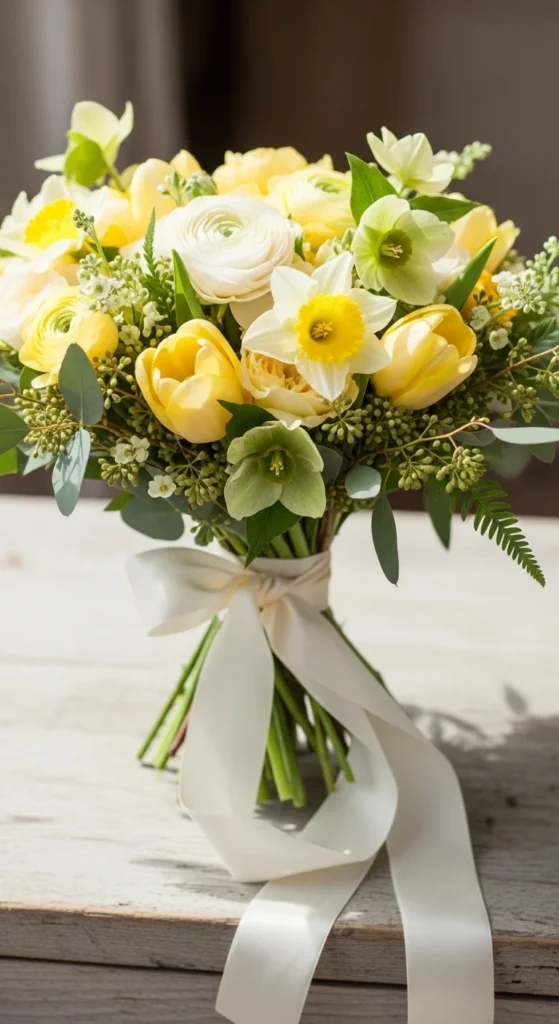
Soft yellow works well in spring. Pair with white for balance.
Affordable and cheerful without feeling loud.
20. Monochrome Blush Bouquet
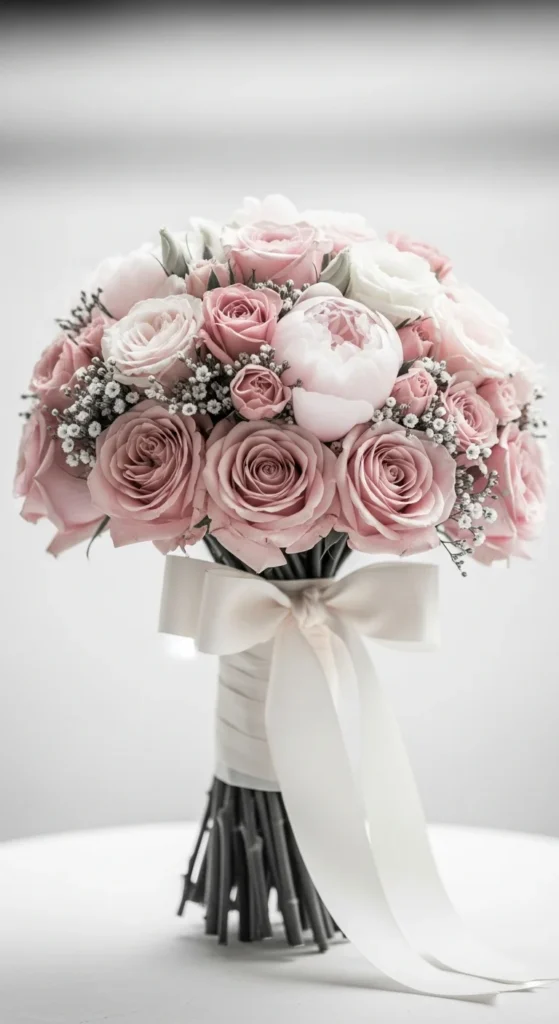
One-color bouquets simplify planning. Use varied textures.
Helps control costs and looks cohesive.
21. Simple Ribbon-Wrapped Bouquet
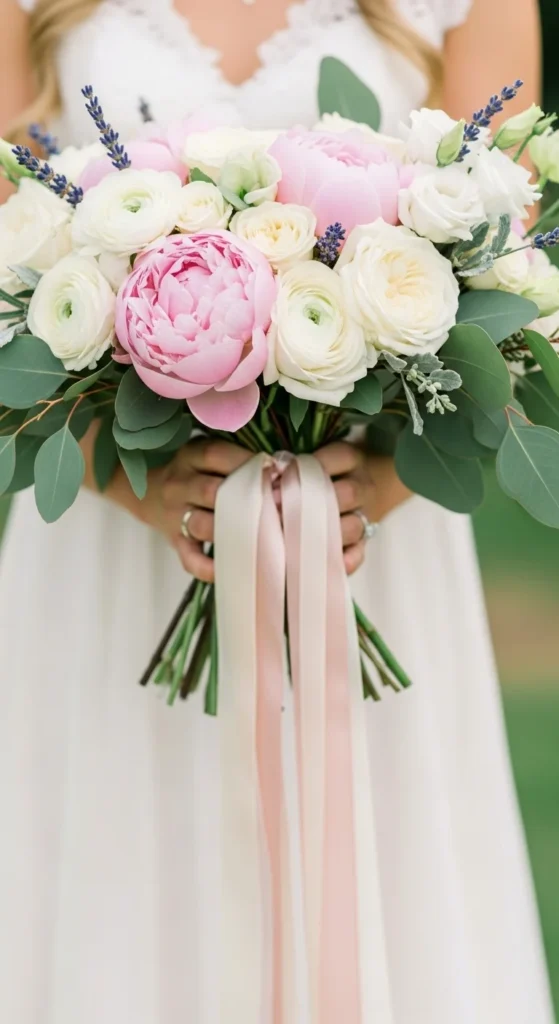
A long ribbon adds drama without extra flowers. Choose silk or chiffon.
This detail costs little and photographs beautifully.
Conclusion
Choosing a spring wedding bouquet doesn’t require chasing trends or overspending. Seasonal flowers, simple shapes, and thoughtful choices go a long way. These bouquet ideas focus on practicality, easy sourcing, and styles that age well in photos. Whether you work with a florist or handle flowers yourself, small decisions make a meaningful difference. Pick blooms that suit your setting, your dress, and your budget, then keep the rest simple and intentional.