
Planning a wedding on a budget does not mean cutting joy or style. Many couples search for wedding budget tips because costs add up fast and decisions feel overwhelming. The good news is that real savings come from simple choices, not sacrifice. This list focuses on practical ways to lower costs, avoid common spending traps, and stretch every dollar further. Each tip is realistic, easy to apply, and designed for couples who want a meaningful celebration without long-term money stress.
1. Set One Clear Spending Limit

A clear spending limit keeps every decision grounded. Start with a total number you can afford without loans. Write it down. Share it with anyone helping pay. This number guides all choices. When vendors quote prices, you already know your ceiling. Break the total into rough categories like venue, food, attire, and décor. Keep a small buffer for surprises. Use a basic spreadsheet or free budget app. Avoid adjusting the total upward once planning starts. That habit causes overspending fast. A fixed number creates focus and reduces stress.
2. Trim the Guest List Early

Every guest adds cost. Food, chairs, favors, and rentals all rise with headcount. Start with people you truly want there. Skip plus-ones unless necessary. Limit kids if that fits your vision. A smaller group allows better food and a calmer day. It also opens more venue options. Cutting ten guests can save hundreds quickly. Make this decision before booking anything.
3. Choose an Off-Peak Date
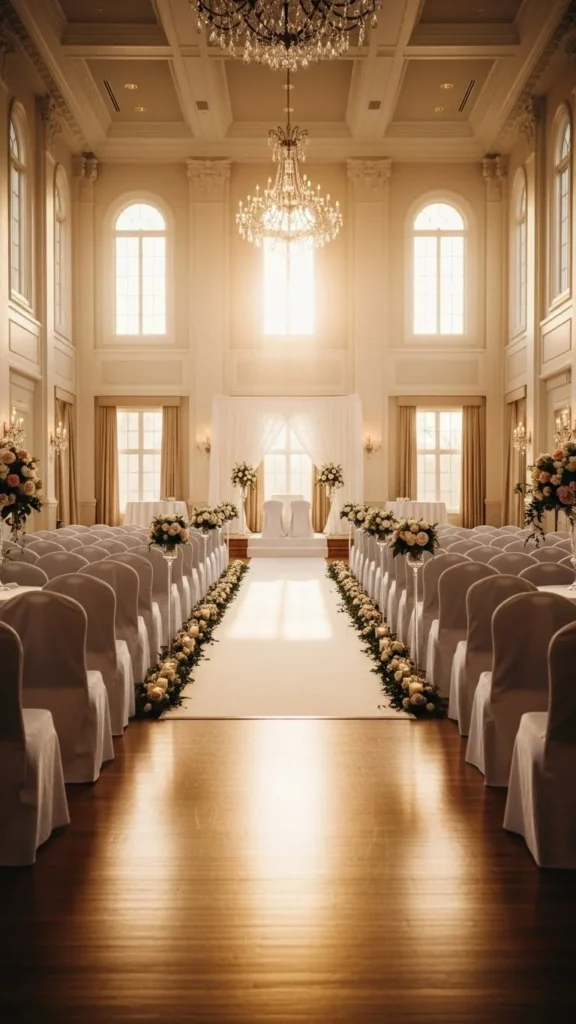
Weekdays and off-season months cost less. Venues and vendors often offer lower rates. Fridays and Sundays also save money. Guests often understand, especially if travel costs drop. This single choice can cut thousands from the total budget.
4. Book One Space for Everything
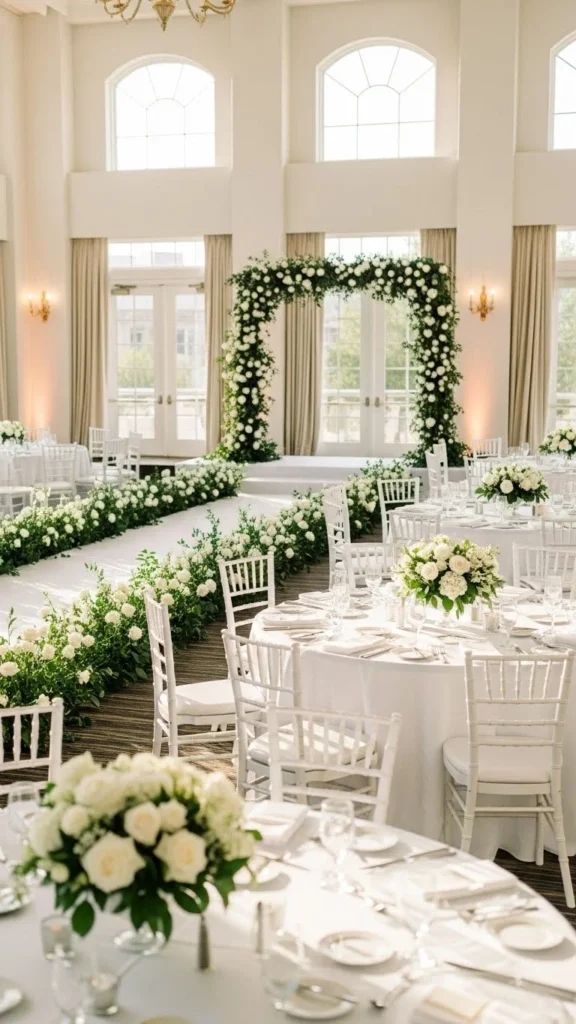
Using one location saves on rentals, transport, and setup fees. Guests stay comfortable. Vendors work more efficiently. Look for parks, restaurants, or community spaces. Fewer moving parts mean fewer surprise costs.
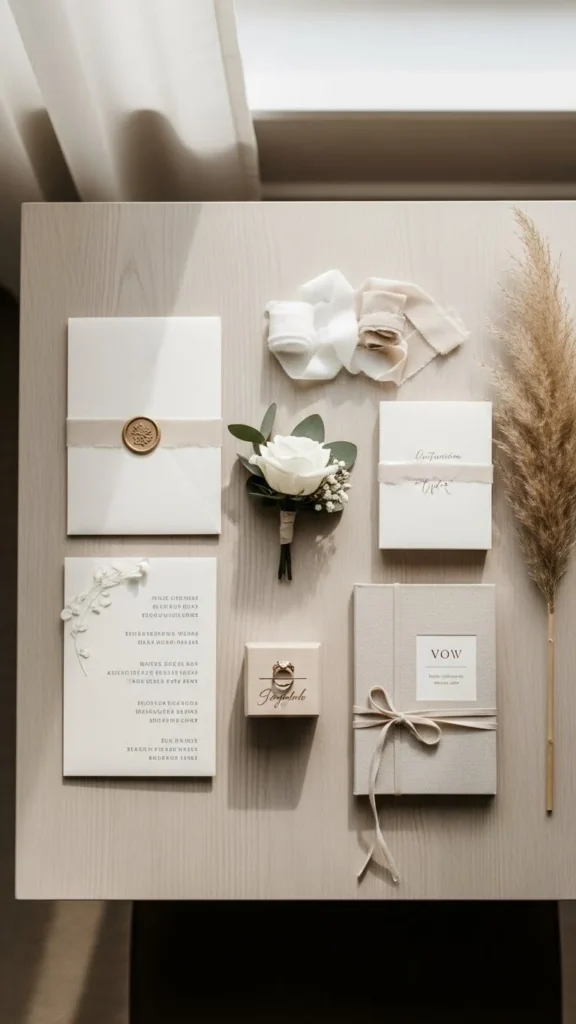
5. Skip Traditional Invitations
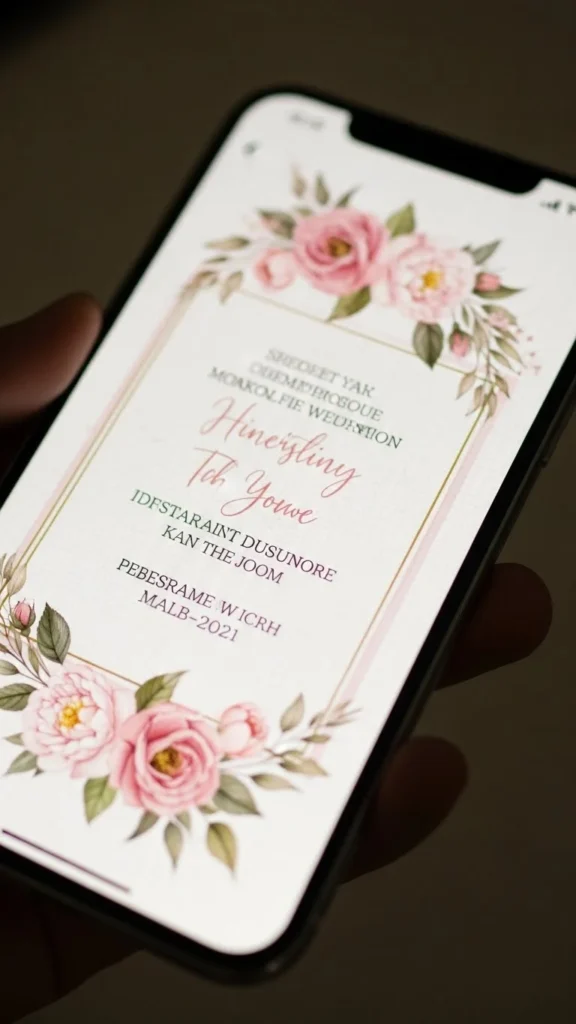
Printed invitations add up fast. Digital invites cost little or nothing. Many platforms track RSVPs automatically. If you want paper, mail one per household instead of per guest. Save printed details for keepsakes only.
6. Rent or Buy Secondhand Attire

Wedding outfits are worn once. Renting or buying secondhand saves hundreds. Online resale shops and local consignment stores offer great options. Tailoring costs less than buying new. This applies to suits, shoes, and accessories too.
7. Limit the Bar Options
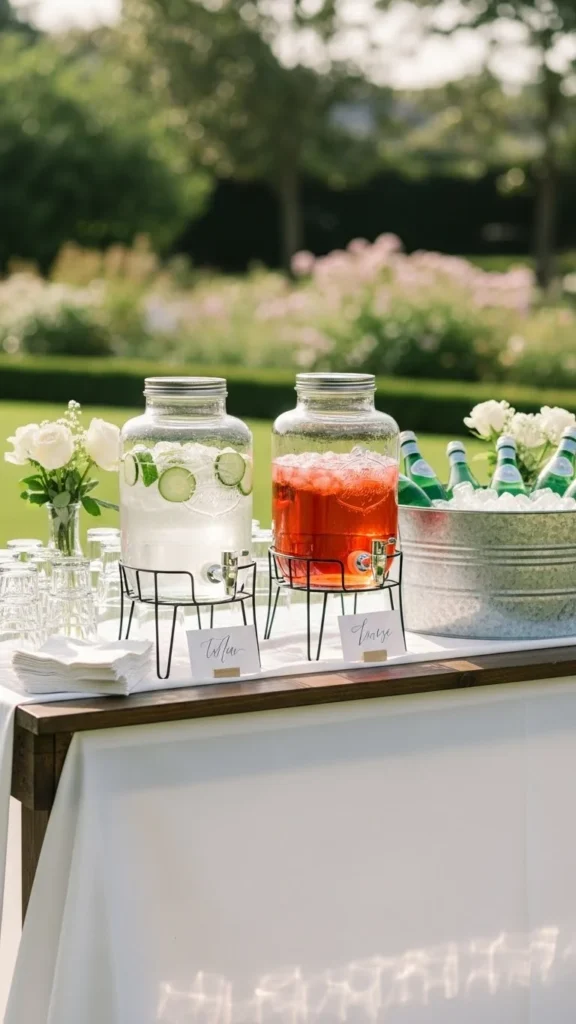
A full open bar is expensive. Offer beer, wine, and one signature drink. Guests stay happy. Costs stay predictable. Buy alcohol yourself if allowed. Skip specialty liquors.
8. Use Seasonal Flowers Only
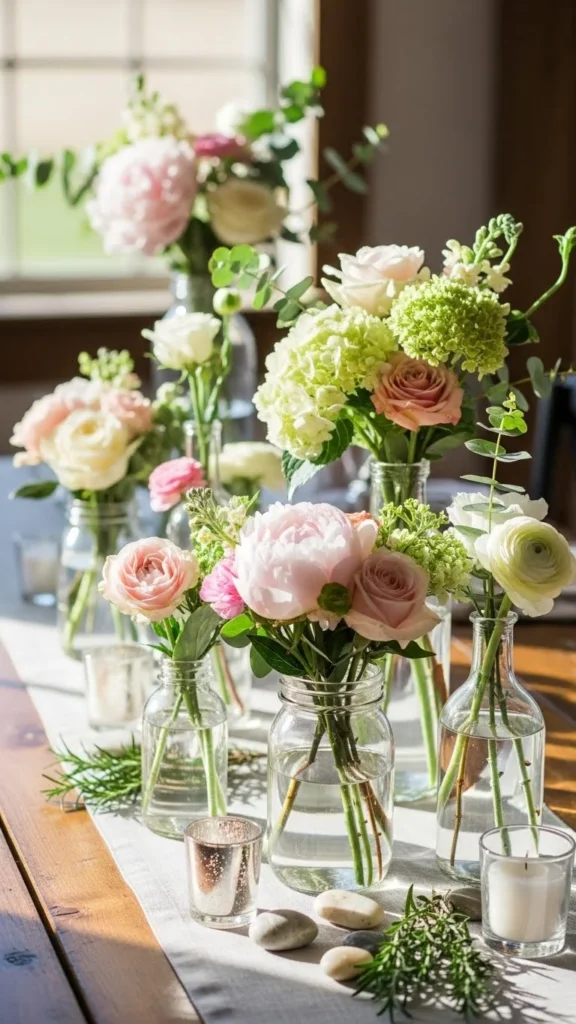
Seasonal flowers cost less and look natural. Ask florists what grows locally. Avoid rare blooms. Use greenery to fill space. Repurpose ceremony flowers at the reception.
9. DIY Small Décor Items
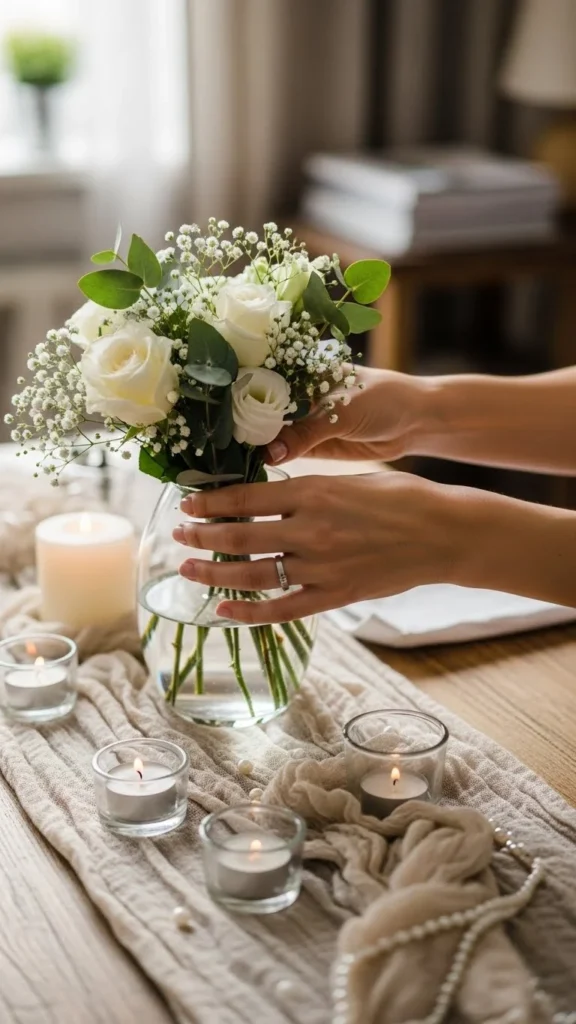
DIY works best in small doses. Table numbers, signage, and favors are manageable. Avoid large projects close to the date. Keep supplies simple. Ask friends for help during casual get-togethers.
10. Skip Wedding Favors
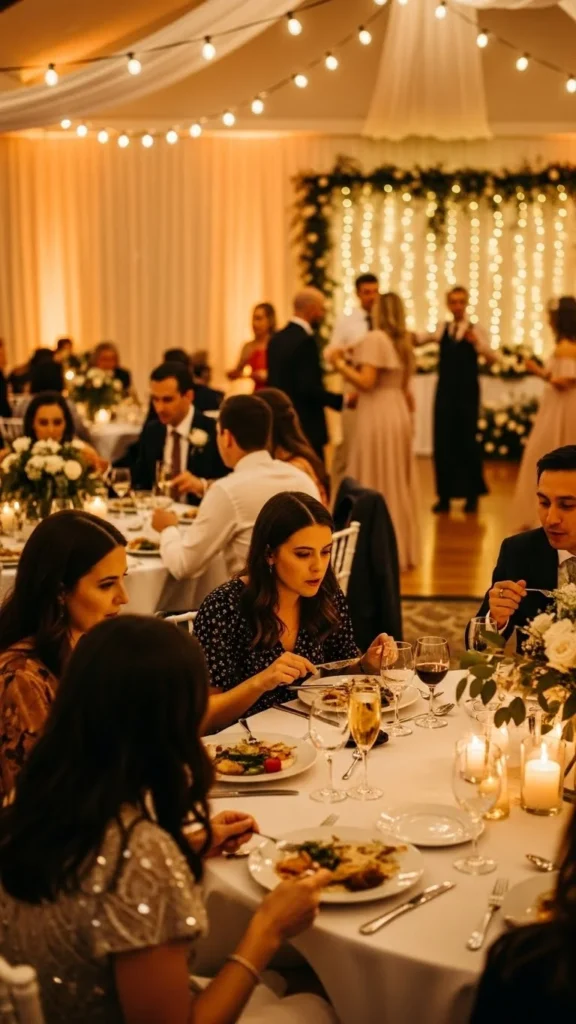
Many favors get left behind. Guests remember food, music, and comfort instead. If you want a gesture, add a thank-you note or donate to a charity quietly.
11. Hire Vendors for Fewer Hours
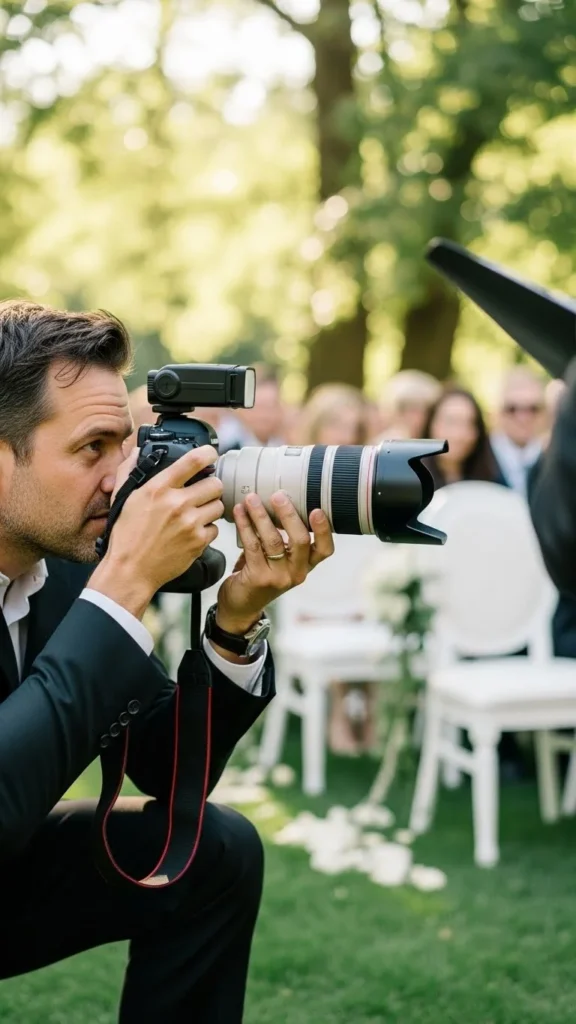
You do not need full-day coverage for everything. Book photographers or DJs for core moments only. Shorter contracts reduce fees. Share timelines clearly to avoid overtime charges.
12. Use a Playlist Instead of a Band
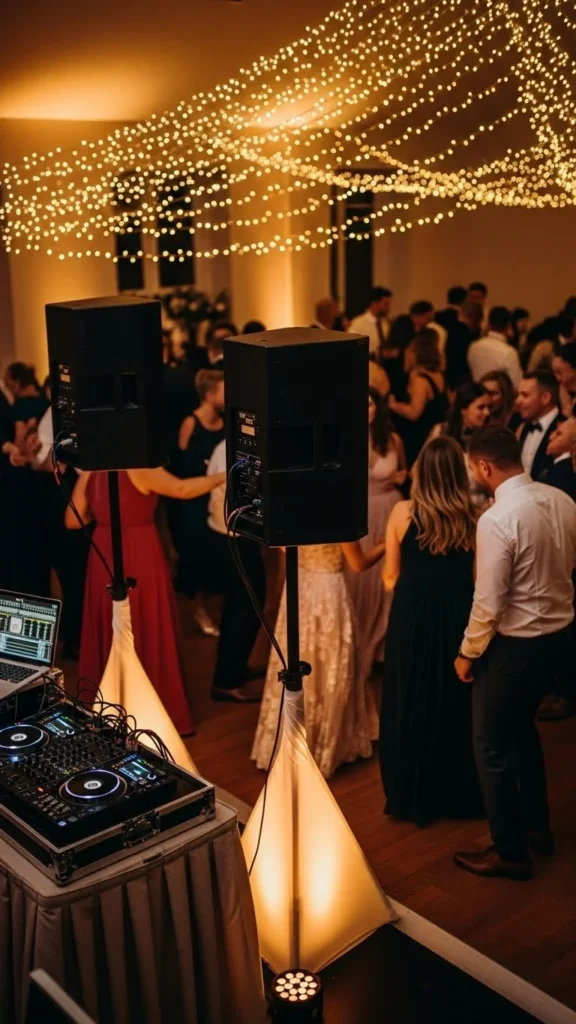
Bands cost more than DJs. DJs cost more than playlists. A well-planned playlist works for small weddings. Assign someone to manage transitions. Test sound equipment early.
13. Serve a Buffet or Family-Style Meal
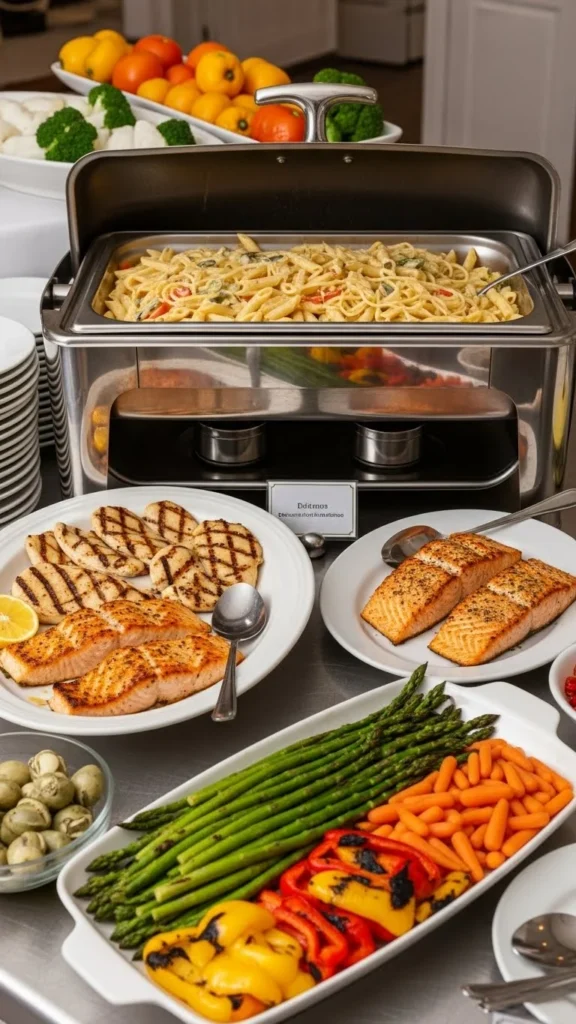
Plated meals raise staffing costs. Buffets or family-style service save money. Guests enjoy choice. Portions stay flexible. This setup also shortens dinner time.
14. Choose a Simple Cake
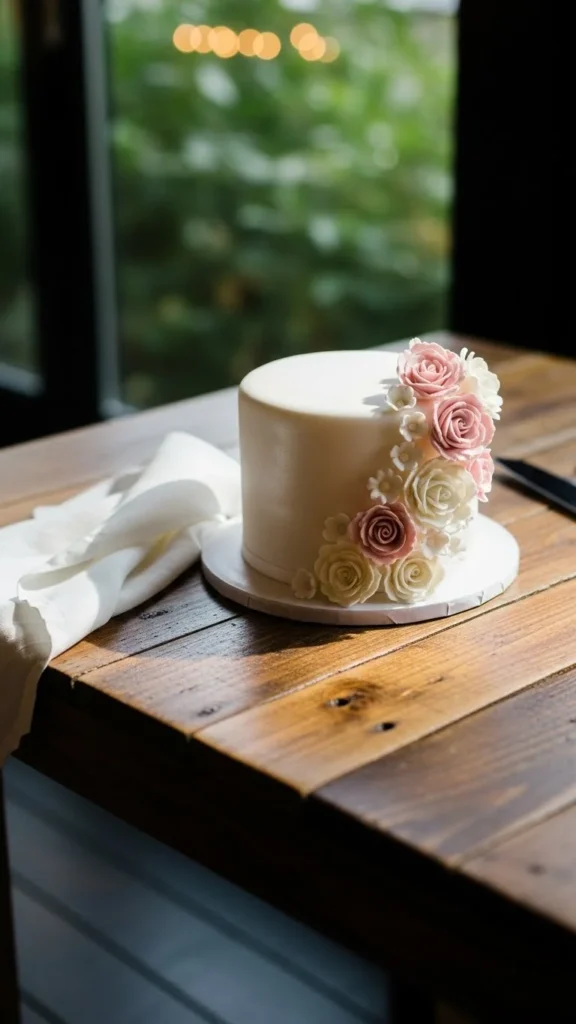
Large tiered cakes cost more. Order a small display cake and sheet cake for guests. Same flavor. Lower price. No one notices the difference.
15. Borrow What You Can
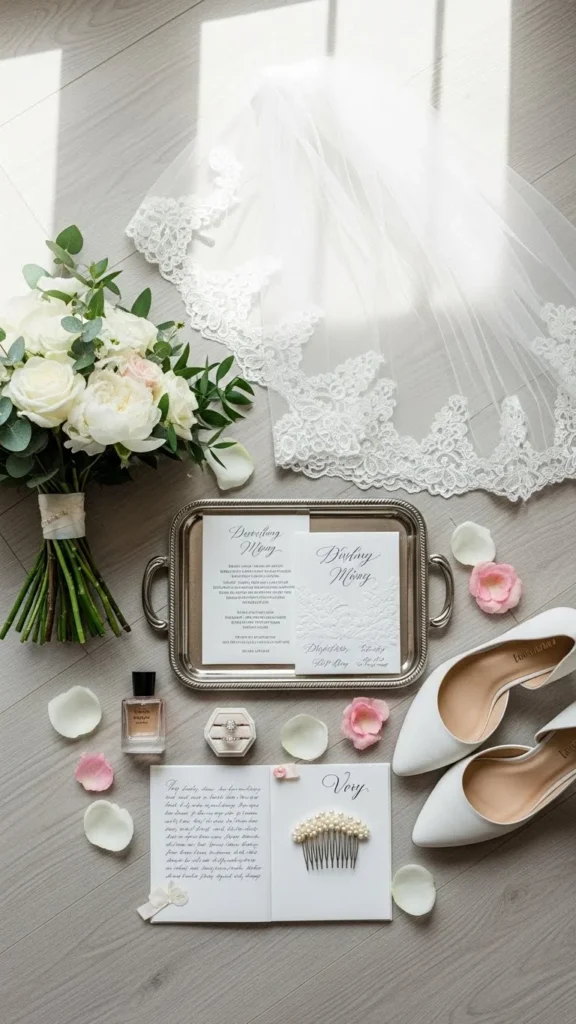
Friends often have vases, frames, or décor. Borrow before renting. Return items clean and on time. This saves rental fees fast.
16. Skip Wedding-Only Labels
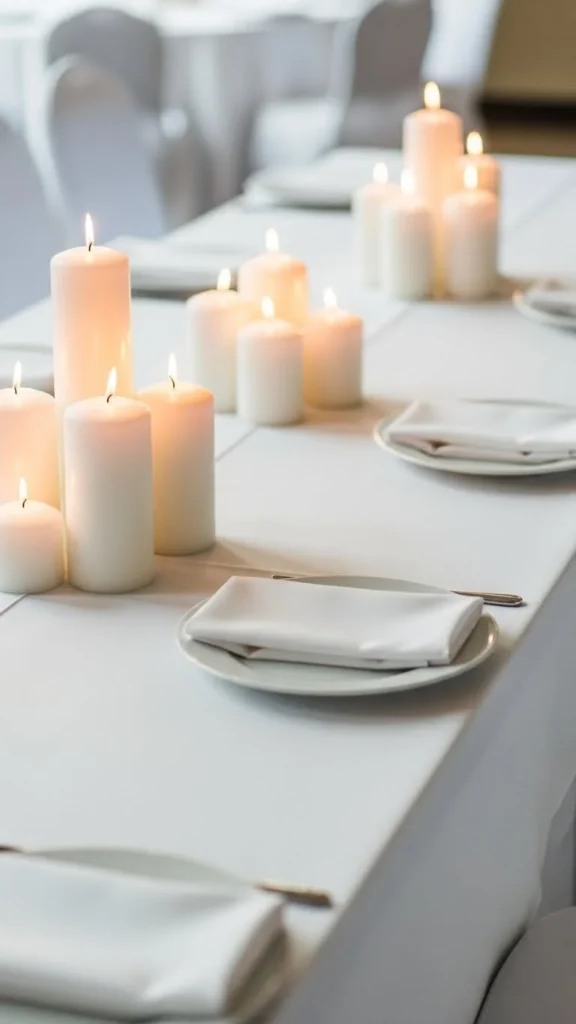
Items labeled “wedding” often cost more. Candles, linens, and signage from regular stores work just as well. Focus on function, not labels.
17. Limit Printed Signage
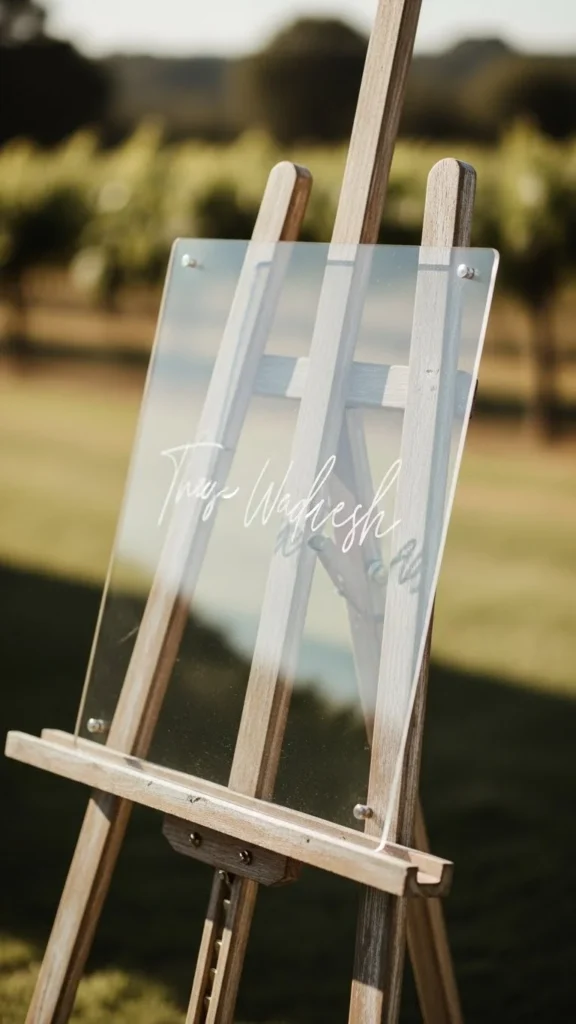
Too many signs add cost. Guests ask questions anyway. Use one welcome sign and one schedule sign. Skip the rest.
18. Use One Photographer
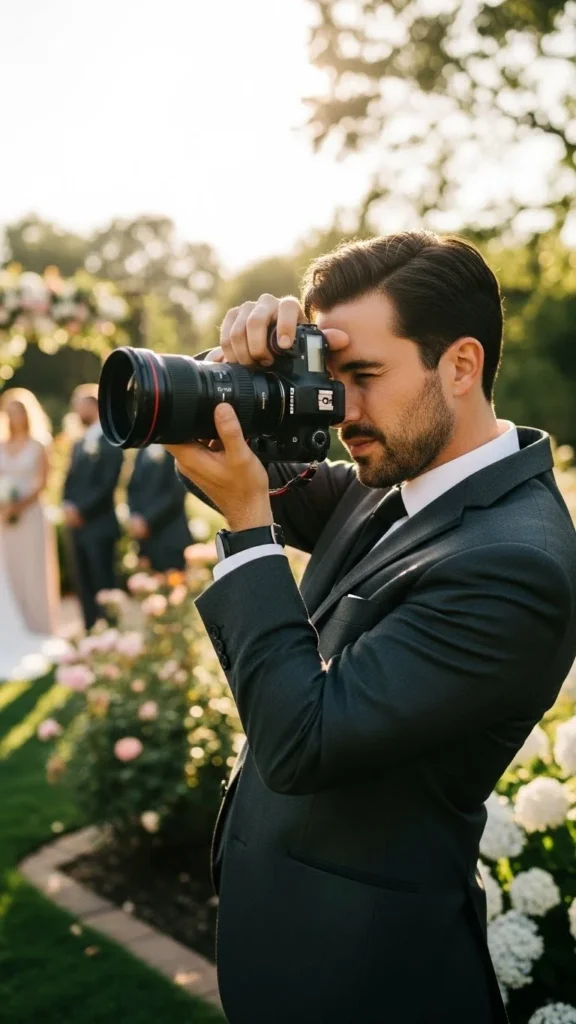
Two photographers double the price. One skilled professional captures enough moments for most weddings. Share priority shots ahead of time.
19. Buy Décor That Can Be Reused
Choose items that work after the wedding. Candles, frames, and blankets can be reused at home. This makes spending feel better.
20. Keep the Timeline Short
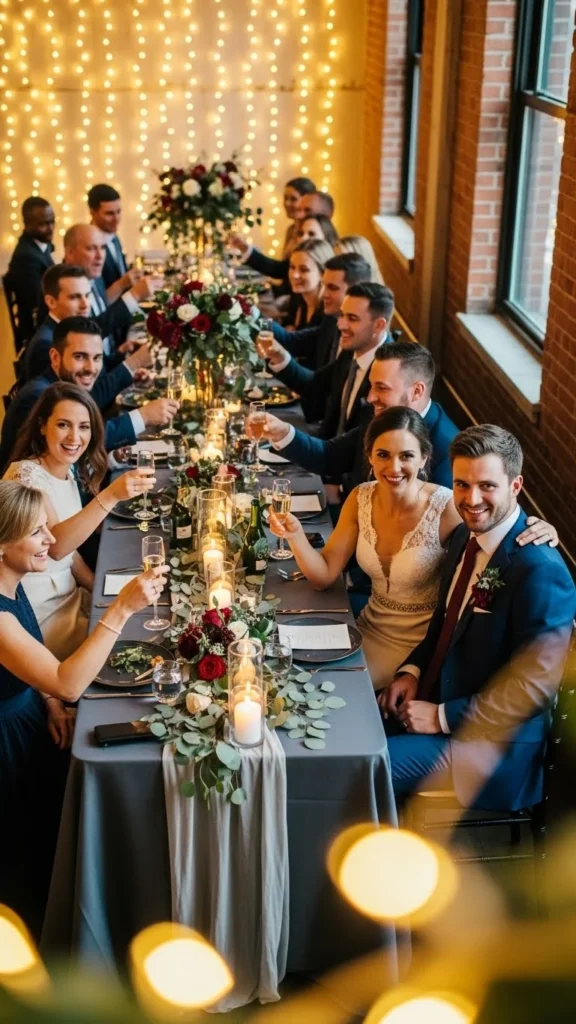
Long events cost more. Shorten the reception by an hour. Reduce bar and staffing time. Guests stay energized. You save money quietly.
21. Skip Transportation Rentals
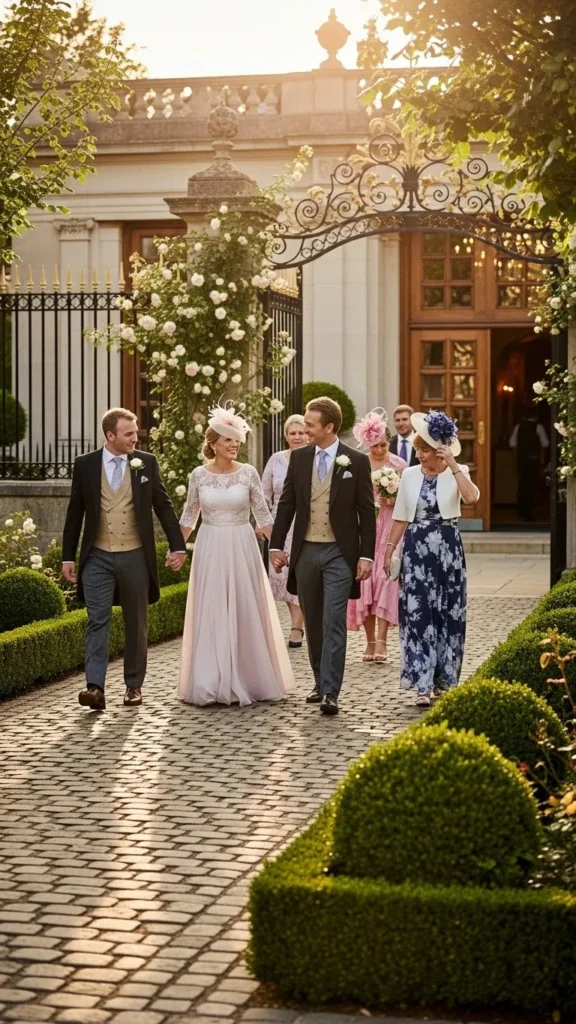
If venues are close, skip shuttles. Share clear directions instead. Transportation costs add up quickly.
22. Use Natural Light Venues
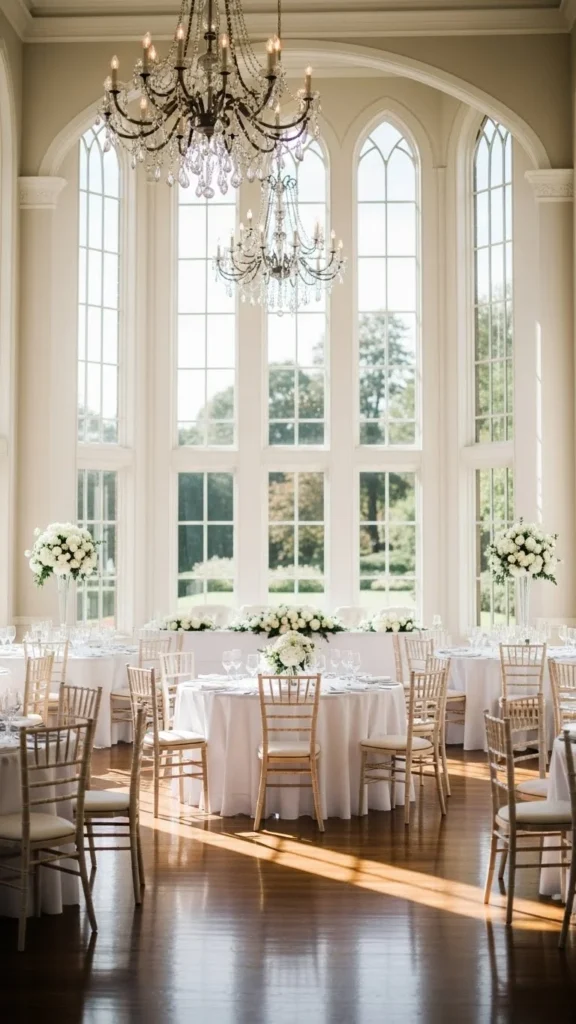
Good natural light reduces décor and lighting costs. Daytime weddings save on power and rentals. Photos also look cleaner.
23. Limit Bridal Party Size
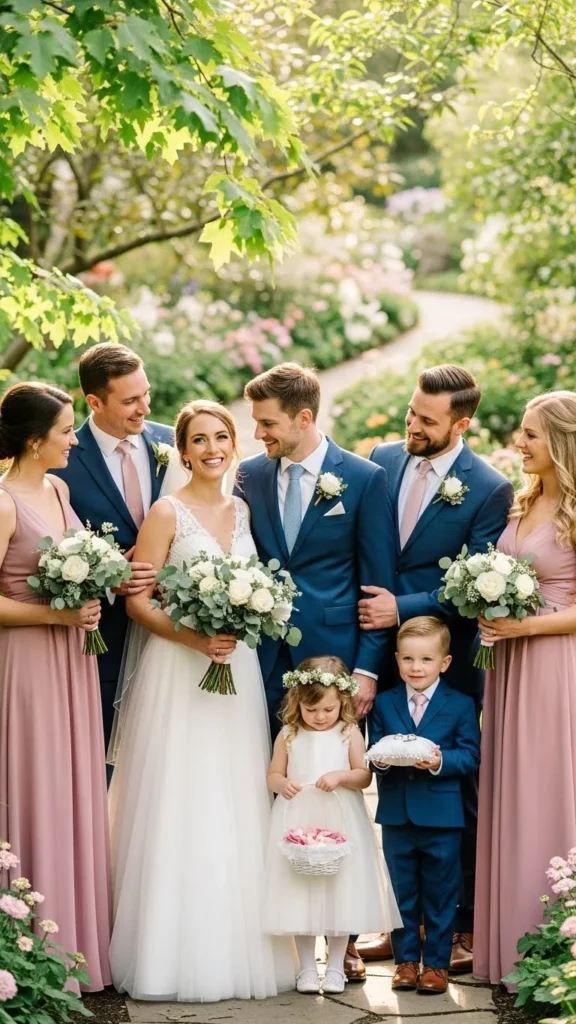
Smaller wedding parties lower attire and gift costs. Planning stays simpler. Photos move faster. This choice reduces stress.
24. Track Spending Weekly

Check spending once a week. Update totals. Catch issues early. Small adjustments prevent big problems later.
25. Focus on What Guests Remember

Guests remember how they felt. Good food. Comfortable seating. A relaxed atmosphere. Spend on those areas. Skip the rest.
Conclusion
Saving money on a wedding comes from clear choices and steady planning. These tips show how small decisions add up to real savings. Start with a firm budget. Cut costs that do not add joy. Keep plans simple and flexible. When spending matches your priorities, the celebration feels lighter, happier, and far less stressful.